Local SEO Australia: The Definitive Guide to Dominating Regional Search
In the competitive Australian digital landscape, appearing at the top of search results isn’t just about global reach; it’s about being found by the person standing two blocks away. Local SEO (High Intent) is the strategic process of optimizing your online presence to attract more business from relevant local searches on Google and other search engines.
For Australian businesses—from Sydney’s bustling CBD to the growing hubs in Perth—mastering local search is the difference between a thriving storefront and a digital ghost town. This guide explores how to capture high-intent regional traffic and convert “near me” searches into loyal customers.
Local SEO is a specialized branch of search engine optimization that focuses on technical and content strategies designed to increase visibility in local search results. Unlike traditional SEO, which may target broad informational queries, Local SEO (High Intent) targets users who are ready to take action—whether that is visiting a shop, booking a service, or making a phone call.
The Australian Context
In Australia, local search behavior is heavily influenced by mobile usage. Users searching for “plumber Melbourne” or “best coffee near me” have a high immediate intent. Google recognizes this by serving the “Local Pack”—the map and three business listings that appear at the top of the Search Engine Results Page (SERP).
Why Local and Regional SEO is Vital for Australian Brands
The Australian market is unique. With a highly concentrated population in capital cities and significant regional hubs, your SEO strategy must be granular.
High Conversion Rates: Local searches often lead to a purchase within 24 hours.
Google Maps Visibility: Most high-intent local traffic flows through Google Maps and the Local Pack.
Mobile Dominance: With Australians being heavy smartphone users, “near me” searches are the primary way services are discovered.
Trust and Authority: Ranking locally builds immediate brand trust within your specific community.
The Core Pillars of Local SEO Success
To achieve long-term rankings and efficient crawling by Googlebot, your strategy must be built on three foundational pillars: Relevance, Distance, and Prominence.
1. Google Business Profile (GBP) Optimization
Your GBP is your digital storefront. To optimize for Local SEO (High Intent), you must:
Claim and verify your listing.
Ensure your NAP (Name, Address, Phone Number) is 100% consistent across the web.
Select the most accurate primary and secondary categories.
Upload high-resolution images of your business and team.
2. On-Page Local Signals
Google needs to see that your website is relevant to a specific Australian geography. This involves:
Including city and suburb names in your H1, H2, and Meta Tags.
Embedding a Google Map on your Contact Us page.
Creating location-specific landing pages if you serve multiple regions (e.g., “Solar Panels Brisbane” vs. “Solar Panels Gold Coast”).
3. Local Citations and Backlinks
Google validates your location by looking at other reputable Australian sites. This includes:
Yellow Pages Australia and TrueLocal.
Industry-specific directories (e.g., Hipages for trades).
Backlinks from local news outlets, blogs, or community organizations.
How Google Crawls and Indexes Local Content
Understanding the technical side of SEO ensures your pages are indexed quickly. Google uses “spiders” to follow links and understand the relationship between your website and a physical location.
Feature
Impact on Local Indexing
Schema Markup
Helps Google understand your address, hours, and reviews.
Site Structure
Logical hierarchy allows for faster crawling of regional pages.
Mobile Speed
Critical for local users; affects how often Google crawls your site.
Internal Linking
Connects your main services to your local landing pages.
Pro Tip: Use Local Business Schema (JSON-LD) to explicitly tell Google your latitude, longitude, and service area. This reduces the “guesswork” for the crawler and speeds up regional indexing.
Step-by-Step Framework for Regional SEO Dominance
To rank for Local SEO (High Intent) keywords, follow this proven Australian-centric framework:
Step 1: Localized Keyword Research
Don’t just target “Lawyers.” Target “Family Lawyers Parramatta.” Use tools to find volume for specific Australian suburbs and regions. Focus on keywords that include “near me,” “open now,” or specific city names.
Step 2: Audit Your NAP Consistency
Search for your business name. If your address is listed as “Street” in one place and “St” in another, it can confuse Google’s algorithm. Standardize everything to match your Google Business Profile.
Step 3: Develop Localized Content
Write about local news, events, or case studies specific to your Australian region.
Example: “How our Perth team handled the 40-degree heatwave for outdoor installations.”
Step 4: Review Management
Encourage satisfied customers to leave reviews. Respond to every review—both positive and negative. Mentioning your service and city in the response can subtly boost local relevance.
Common Mistakes in Local SEO (and How to Avoid Them)
Keyword Stuffing in Business Name: Do not add “Best Pizza Melbourne” to your business name on GBP if it isn’t your legal name. This risks a suspension.
Using PO Boxes: Google requires a physical address for local rankings. Using a PO box or a virtual office often leads to ranking penalties.
Duplicate Location Pages: If you have 10 locations, do not use the exact same text for every page. Customize the content for each Australian suburb to avoid “thin content” flags.
Strategic Internal Linking & External Authority
To boost your topical authority, ensure your site structure reflects your expertise.
Internal Linking Suggestions:
Link from your Homepage to your Service Area pages using anchor text like “Local SEO services in Sydney.”
Link from Blog Posts about local trends back to your Service Pages.
Authoritative External References:
Consult the Australian Competition & Consumer Commission (ACCC) for guidelines on honest online reviews and advertising.
Refer to Google Search Central documentation on local search rankings for the latest algorithmic updates.
Frequently Asked Questions (FAQ)
What is the most important factor for Local SEO?
While many factors matter, a verified and fully optimized Google Business Profile remains the strongest signal for appearing in the Local Pack.
How long does it take to rank for Local SEO in Australia?
Generally, you can see movement in 3 to 6 months. However, highly competitive markets like “Real Estate Sydney” may take longer than niche services in regional areas.
Do I need a physical office to rank for Local SEO?
Not necessarily. You can set up a “Service Area Business” (SAB) profile on Google if you visit customers at their locations (like a plumber or locksmith).
How do reviews affect my regional rankings?
High-intent users look for social proof. A high volume of 5-star reviews increases your click-through rate, which signals to Google that your business is a prominent and trusted local result.
Should I use a .com or .com.au domain?
For Australian-specific businesses, a .com.au domain is a strong signal to both users and search engines that your content is intended for an Australian audience.
Conclusion: Taking the Next Step in Local Search
Mastering Local SEO (High Intent) is about more than just being on the map; it’s about capturing the right audience at the exact moment they are ready to buy. By focusing on NAP consistency, localized content, and a robust Google Business Profile, Australian businesses can outcompete larger national brands.
The digital landscape in Australia is evolving, and Google’s focus on “Helpful Content” means your local pages must provide genuine value to the community.
What is the Philips EverFlo, and who is it typically for?
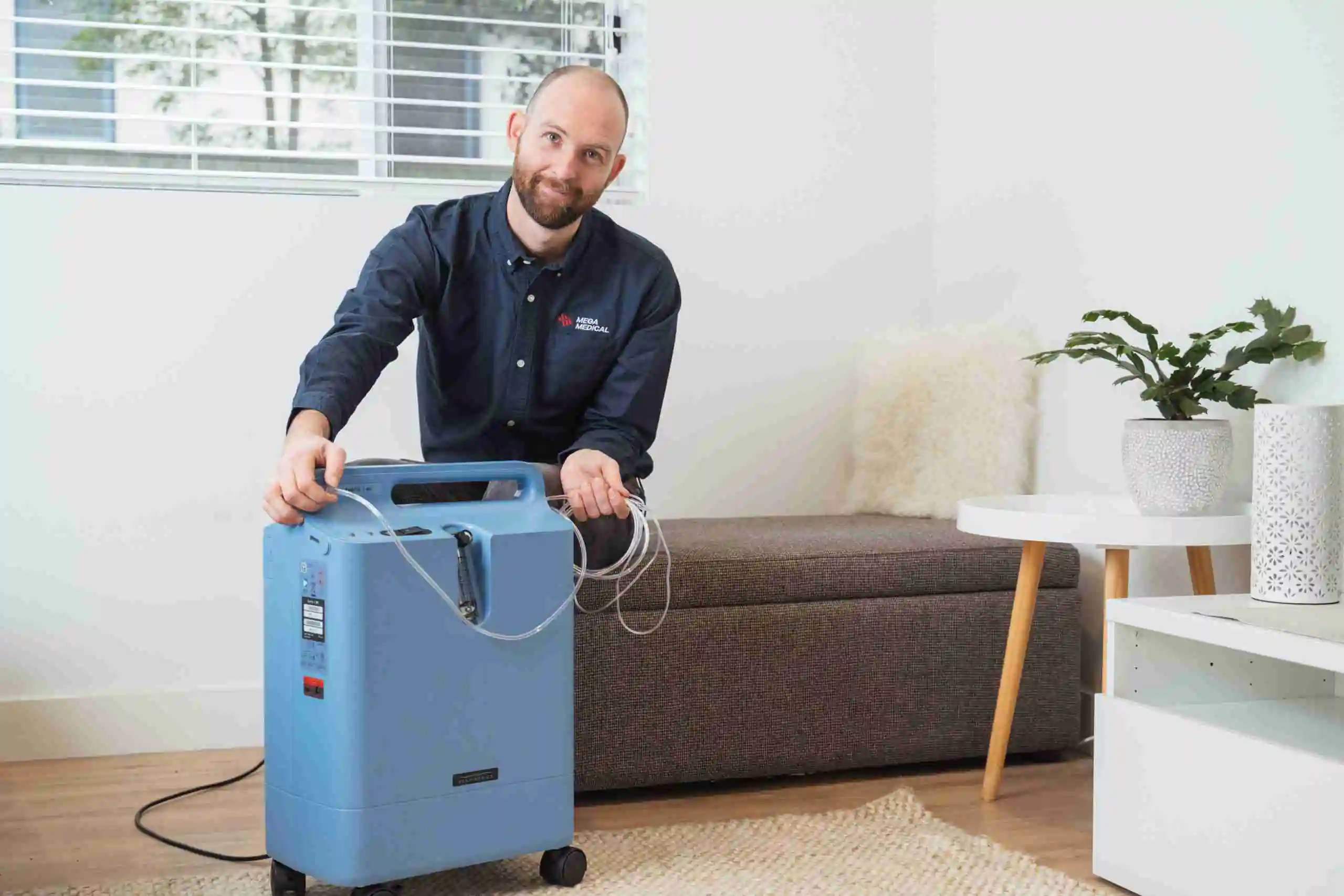
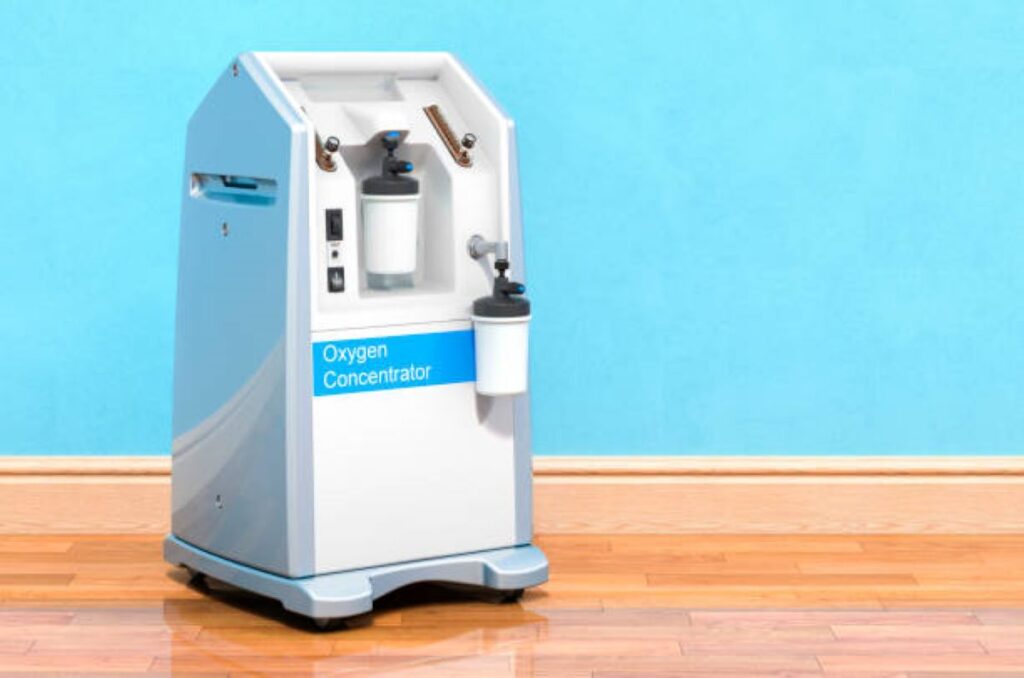
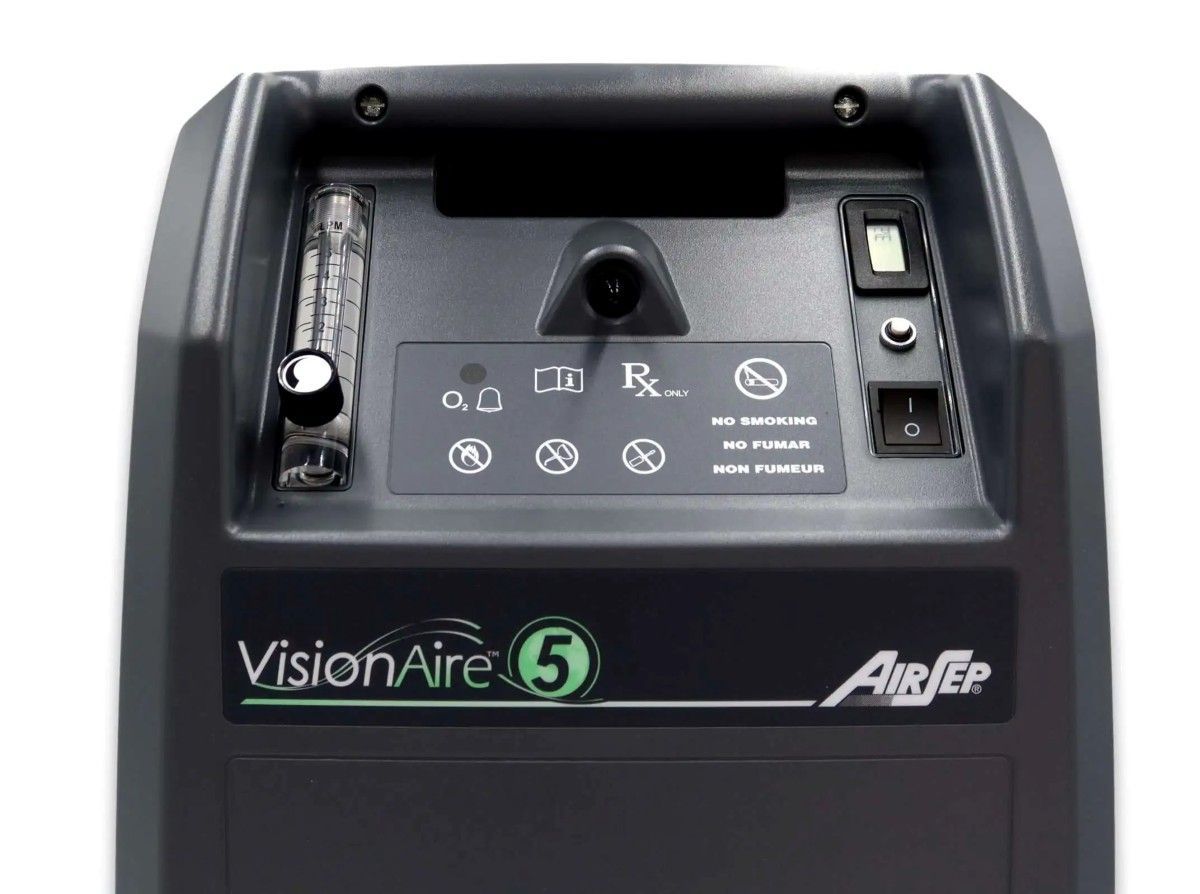
The Philips EverFlo is a stationary oxygen concentrator designed for in-home use, often chosen by people who need continuous oxygen without hauling heavy tanks. It is generally positioned as a compact, relatively quiet unit meant for daily, long-hour operation.
They will usually see EverFlo recommended for users who spend most of their time at home and want to reduce recurring cylinder deliveries.
How does the EverFlo compare to other stationary concentrators?
Compared with other stationary concentrators, philips everflo is best thought of as a mainstream, home-focused model rather than a high-output specialty unit. Many competing stationary units offer similar core performance, but differ in size, sound profile, filter design, and long-term service approach.
For buyers, the practical difference often comes down to how the device fits their space, how it sounds in a bedroom, and how easy it is to keep clean.
Is the EverFlo quieter than other oxygen systems?
EverFlo is often perceived as quiet for a stationary concentrator, which matters if they plan to sleep with it running nearby. That said, noise varies by model and age, and any concentrator can become louder if filters clog or the unit is placed too close to walls.
Compared to compressed gas cylinders, a concentrator creates steady mechanical noise, while tanks are silent but require refills and handling.
How does power usage compare between EverFlo and alternatives?
Stationary concentrators like EverFlo draw electricity continuously, which can affect their monthly energy costs. Some newer or smaller stationary models may be more power-efficient, but the real-world difference depends on flow settings, room temperature, and maintenance.
Compressed oxygen cylinders do not use electricity at all, but they shift the cost and hassle into deliveries, refills, and storage.
How does the EverFlo compare to portable oxygen concentrators (POCs)?
EverFlo is not portable in the way a POC is, so it usually loses on travel convenience but wins on simplicity for home use. POCs are built for mobility, battery operation, and car trips, but they can involve battery management and may not match a stationary unit’s continuous-use comfort.
If they rarely leave home, a stationary unit can feel easier. If they need oxygen outside the home often, a POC may be the more practical primary tool.
Is the EverFlo a better choice than oxygen tanks for home use?
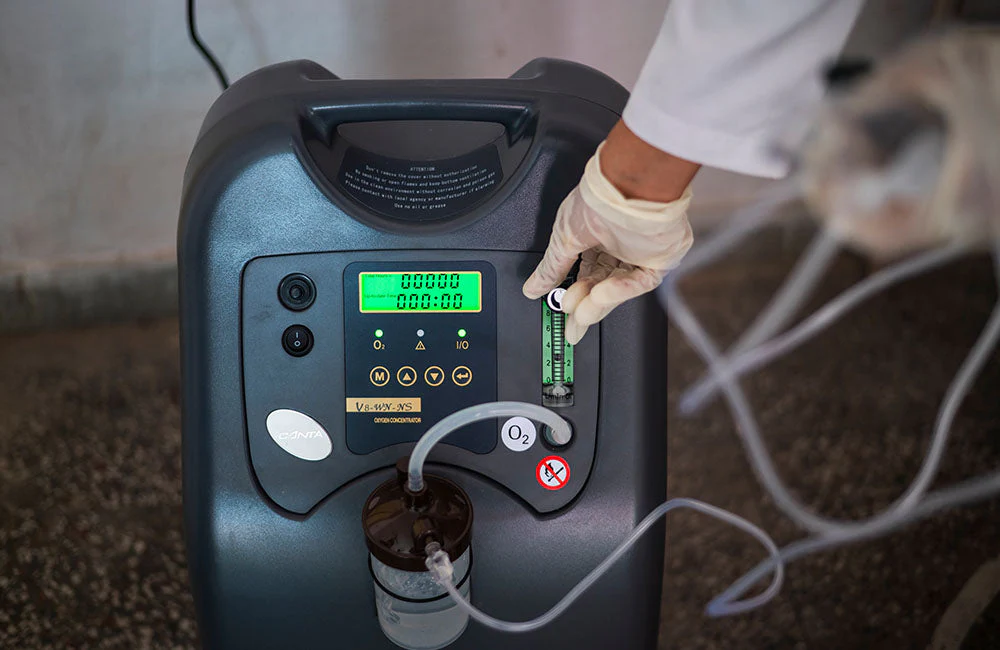
For many households, EverFlo can be a better day-to-day home solution than tanks because it avoids frequent refills. It produces oxygen from room air, so they only need power and basic upkeep rather than deliveries.
Tanks can still make sense if they want a silent system, need backup for outages, or require a setup that does not depend on electricity.
What about backups, emergencies, and power outages?
A concentrator like EverFlo depends on power, so they should plan for outages. Many providers recommend keeping a backup oxygen cylinder even if they primarily use a concentrator.
Compared with other oxygen systems, this is where tanks still shine. They function during outages, while concentrators and most POCs need a battery plan or a generator strategy. You may like to visit https://www.industry.gov.au/publications/national-battery-strategy to get more about battery strategy.
How do maintenance and servicing compare across systems?
EverFlo and other concentrators typically require routine cleaning of external filters and keeping vents clear, plus periodic servicing through a provider. Their experience depends heavily on the supplier’s responsiveness and the device’s hours of use.
Oxygen cylinders require less device maintenance but more logistical maintenance, such as tracking remaining supply, scheduling deliveries, and moving heavy tanks safely.
What should they consider before choosing between EverFlo and other systems?
They should focus on lifestyle first, then match the system to it. Key questions include how many hours per day they use oxygen, whether they sleep with it, how often they leave home, and how comfortable they are managing batteries or deliveries.
It also helps to confirm prescription requirements, flow type needs, and supplier support, since the best device can still be frustrating with poor service.
Which option tends to be best for most people?
For users who are home most of the time, a stationary concentrator like the Philips EverFlo is often the simplest long-term setup. For users who are frequently out, a portable concentrator or a hybrid plan (stationary at home, portable outside) is usually more realistic.
If they are unsure, they can ask their clinician and oxygen provider to map a “home + away + backup” plan rather than picking a single device in isolation.
What is the Philips Respironics EverFlo oxygen concentrator and who is it best suited for?
The Philips EverFlo is a stationary oxygen concentrator designed primarily for in-home use. It is ideal for individuals who require continuous oxygen therapy without the burden of transporting heavy tanks. Typically, it’s recommended for users who spend most of their time at home and want to minimize recurring cylinder deliveries.
How does the EverFlo compare to other stationary oxygen concentrators in terms of performance and usability?
EverFlo serves as a mainstream, home-focused stationary concentrator offering reliable core performance similar to many competing units. Differences among models often include size, noise levels, filter design, and long-term service needs. Choosing between them usually depends on how well the device fits the user’s living space, its sound profile—especially in bedrooms—and ease of maintenance.
Is the Philips EverFlo quieter than other oxygen delivery systems?
The EverFlo is generally considered quiet for a stationary oxygen concentrator, making it suitable for use during sleep. However, noise levels can vary depending on the model’s age and maintenance status; clogged filters or improper placement near walls can increase sound. Compared to compressed gas cylinders—which are silent but require refills—concentrators produce steady mechanical noise during operation.
How does the power consumption of the EverFlo compare with alternative oxygen systems?
Stationary concentrators like the EverFlo continuously draw electricity, which may impact monthly energy bills. While some newer or smaller models might be more energy-efficient, actual power usage depends on settings, ambient temperature, and upkeep. In contrast, compressed oxygen cylinders consume no electricity but involve costs and logistics related to deliveries and storage.
What are the advantages and disadvantages of using EverFlo versus portable oxygen concentrators (POCs)?
EverFlo excels as a simple, reliable stationary unit for home use but lacks portability. Portable Oxygen Concentrators (POCs) offer mobility with battery operation suitable for travel and outings but require battery management and may not provide continuous comfort like stationary units. Users who seldom leave home may prefer EverFlo, while those frequently outside might find POCs more practical.
Should I choose an EverFlo concentrator over traditional oxygen tanks for home therapy?
For many households, the EverFlo offers a convenient day-to-day solution by producing oxygen from room air, eliminating frequent tank refills and deliveries. However, oxygen tanks remain valuable as silent systems or essential backups during power outages since they don’t rely on electricity. A combined approach with both systems can ensure uninterrupted therapy.
Before they commit to any oxygen concentrator for sale, they should check five practical things that matter most in real-world use.
What oxygen flow and purity does the user actually need?
When looking for an Oxygen Concentrator for sale, they should match the concentrator’s output to the prescription, not to a “best seller” badge. Most home units are designed for continuous flow (for example, up to 5 LPM), while some users may need higher flow or a different setup entirely.
Before choosing an Oxygen Concentrator for sale, they should also confirm the oxygen concentration range the unit maintains at the required flow rate. If purity drops too much at higher flows, the machine may not meet the user’s needs during activity or flare-ups.
Should they choose continuous flow or pulse dose?
They should choose based on how the user breathes and when oxygen is needed. Continuous flow delivers a steady stream and is often preferred for sleep, mouth breathing, or users who need oxygen even with shallow breathing.
Pulse dose delivers oxygen only when the unit detects an inhalation, which can save power and enable smaller portable devices. However, if the user’s breathing is too shallow, irregular, or primarily through the mouth, pulse detection can be unreliable. They should confirm clinical suitability before buying pulse-only models.
Will the concentrator work for portability, power, and daily routine?
They should check weight, battery runtime (if portable), charging time, and how the device fits into the places the user actually goes. A “portable” concentrator that lasts two hours may not work for long appointments or travel days.
They should also confirm power options: AC for home, DC for car use, and whether extra batteries are available and affordable. If the user lives in an area with outages, they should ask about backup options and whether the supplier can recommend a safe contingency plan.
What are the real costs, warranty terms, and service support?
They should look beyond the sticker price. Filters, cannulas, tubing, batteries, and periodic maintenance can add up quickly, especially for portable units.
They should check warranty length, what it covers (labor, parts, shipping), and who handles repairs. If service requires shipping the unit away for weeks, that is a major risk for someone relying on oxygen. Ideally, they should buy from a seller with clear support channels, accessible spare parts, and a realistic repair turnaround.
Is the unit safe, legitimate, and a good fit for the home setup?
They should verify the device is from a reputable manufacturer and sold through a credible channel. They should be cautious with extremely discounted listings that do not include documentation, serial numbers, or verifiable condition details.
They should also check practical home factors: noise level for sleep, heat output in small rooms, alarm functions, and the maximum tubing length supported without degrading delivery. If they are buying used or refurbished, they should confirm the unit’s hours of use, refurbishment process, and whether it was tested for oxygen purity under load.
Conclusion: What should they do before clicking “buy”?
They should confirm prescription requirements, choose the correct delivery mode, and make sure the unit fits the user’s daily routine. Then they should validate total cost, warranty, and service support, and only buy from a source that can prove the unit’s legitimacy and tested performance.
If they want a simple rule: the best oxygen concentrator for sale is the one that consistently meets the user’s required oxygen delivery, with reliable support behind it.
What oxygen flow rate and purity should I look for when buying an oxygen concentrator?
You should match the concentrator’s oxygen flow output to your prescription, not just choose a popular model. Most home units provide continuous flow up to 5 LPM, but some users may need higher flow or different setups. Also, confirm the unit maintains adequate oxygen concentration at your required flow rate to ensure effective support during activity or flare-ups.
Should I choose a continuous flow or pulse dose oxygen concentrator?
Choose based on your breathing pattern and when you need oxygen. Continuous flow delivers a steady stream, ideal for sleep, mouth breathing, or shallow breathing. Pulse dose supplies oxygen only upon inhalation detection, which saves power and allows smaller devices but may be unreliable for shallow, irregular, or mouth breathers. Confirm clinical suitability before selecting pulse-only models.
How do I determine if an oxygen concentrator fits my portability and daily routine needs?
Check the device’s weight, battery runtime if portable, charging time, and how it fits into your daily activities. A portable unit lasting only two hours may not suffice for long outings. Also verify power options like AC for home use and DC for car use, availability and affordability of extra batteries, and backup plans if you live in areas prone to power outages.
What should I consider regarding costs, warranty, and service support when purchasing an oxygen concentrator?
Look beyond the initial price to include ongoing expenses such as filters, cannulas, tubing, batteries, and maintenance. Check warranty length and coverage details including labor, parts, and shipping. Understand who handles repairs and repair turnaround times; avoid units that require weeks of shipping for service. Opt for sellers with clear support channels and accessible spare parts.
How can I ensure the safety and legitimacy of an oxygen concentrator before buying?
Verify the device is from a reputable manufacturer sold through credible channels. Be cautious of heavily discounted listings lacking documentation or serial numbers. Evaluate practical factors like noise levels for sleep comfort, heat output in small spaces, alarm functions, and maximum tubing length without delivery degradation. For used or refurbished units, confirm usage hours, refurbishment processes, and tested oxygen purity under load.
What steps should I take before finalizing my purchase of an oxygen concentrator?
Confirm your prescription requirements precisely and choose the appropriate delivery mode (continuous flow or pulse dose). Ensure the unit suits your daily lifestyle and routines. Validate total costs including accessories and maintenance expenses. Review warranty terms and service support quality. Finally, purchase only from sources that can prove the unit’s legitimacy and performance through proper testing.
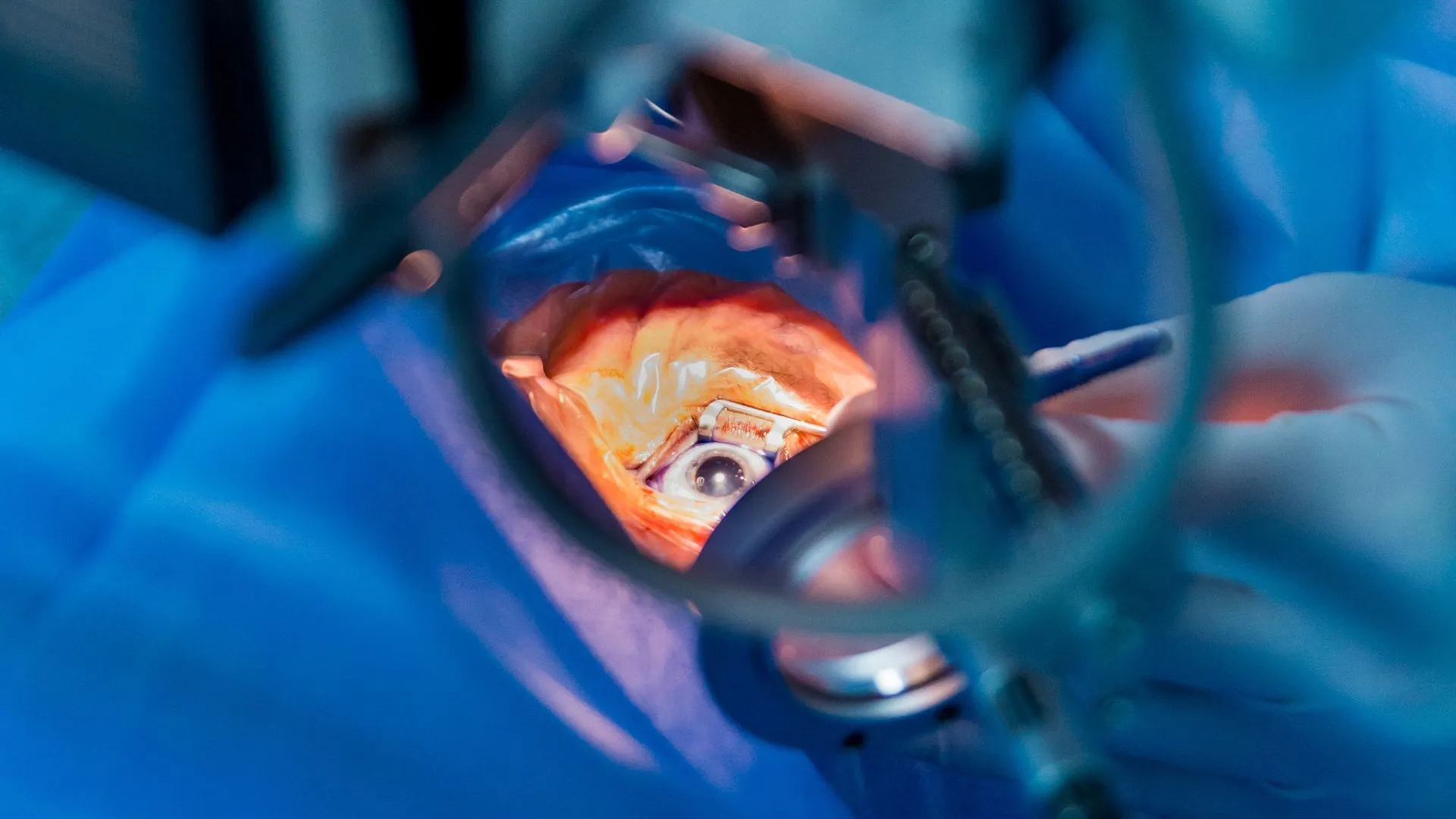
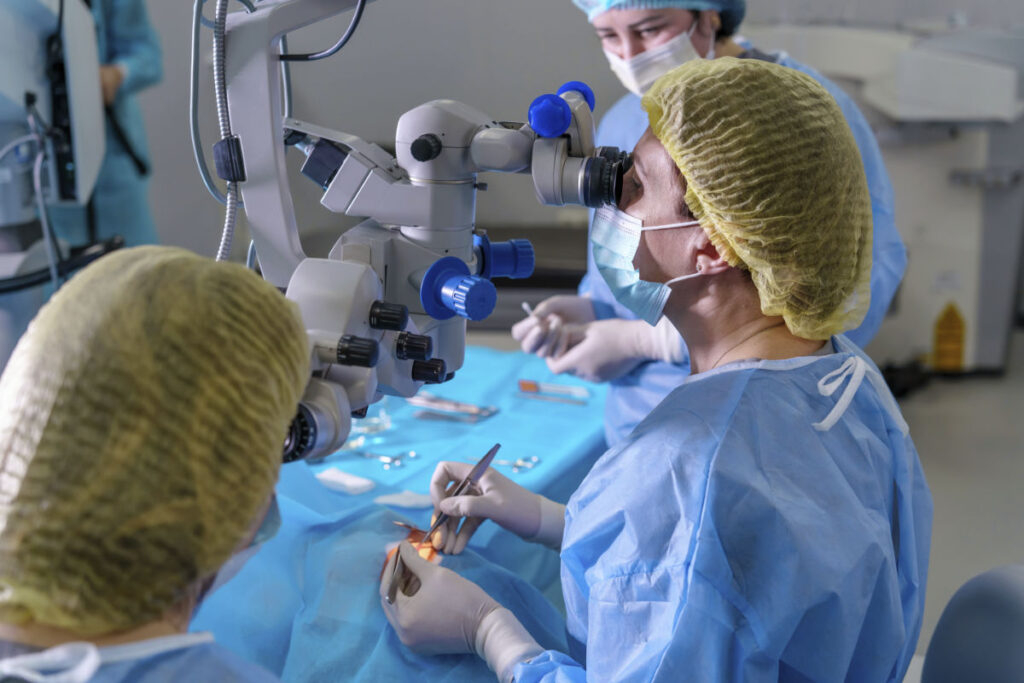
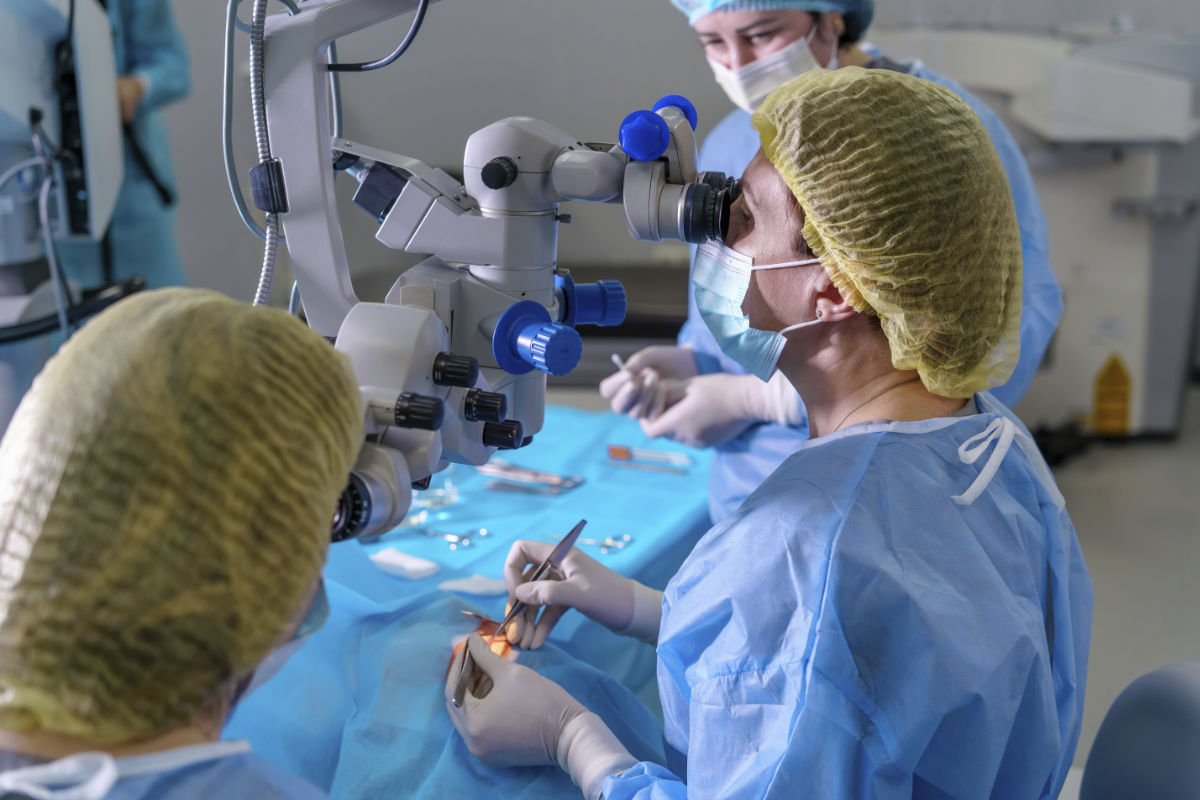
If you’re thinking about laser eye surgery, chances are you’ve come across three names again and again: LASIK, PRK, and SMILE. At first glance, they can sound confusingly similar. All three aim to improve vision and reduce dependence on glasses or contact lenses, yet they work in slightly different ways and suit different eyes and lifestyles.
As an eye care professional, one of the most common concerns I hear is, “How do I know which one is right for me?” The reassuring truth is that there’s no single “best” option for everyone. The right choice depends on your eyes, your prescription, and what matters most to you.
This guide explains the differences clearly and calmly, so you can understand your options and feel confident discussing them with your eye specialist.
Understanding Laser Eye Surgery at a Glance
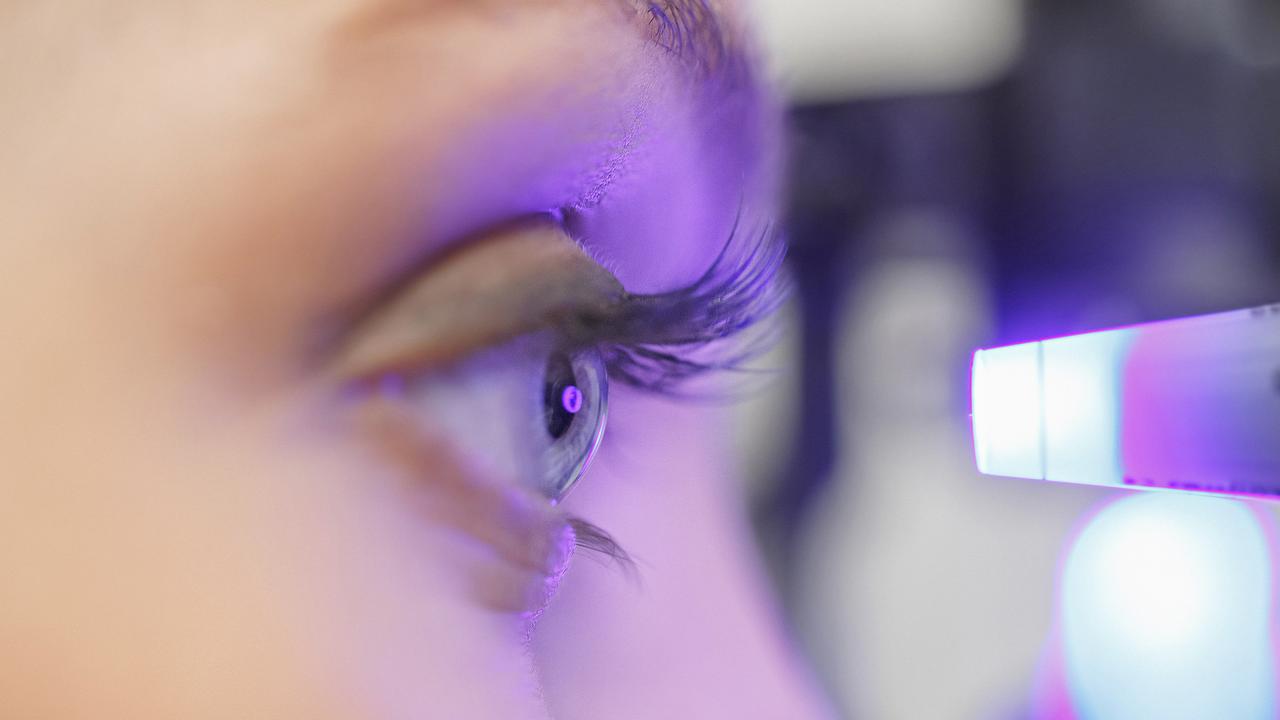
Laser eye surgery is a type of refractive surgery. Its purpose is to reshape the cornea so light entering the eye focuses more accurately on the retina. When that focus improves, vision becomes clearer.
LASIK eye surgery, PRK, and SMILE all correct common refractive errors such as:
Nearsightedness (myopia)
Farsightedness (hyperopia)
Astigmatism (to varying degrees)
What differs is how the cornea is accessed and reshaped, and how the eye heals afterward.
What Is LASIK Eye Surgery?
LASIK eye surgery is the most widely recognised form of laser vision correction. It has been performed for decades and continues to evolve with improved technology and safety measures.
LASIK works by creating a thin flap on the surface of the cornea. The underlying corneal tissue is then reshaped with a laser, and the flap is gently repositioned. Because the surface layer remains largely intact, healing is usually fast and comfortable.
How LASIK Eye Surgery Works (Step by Step)
Understanding the process often helps ease anxiety.
Step 1: Detailed Eye Assessment
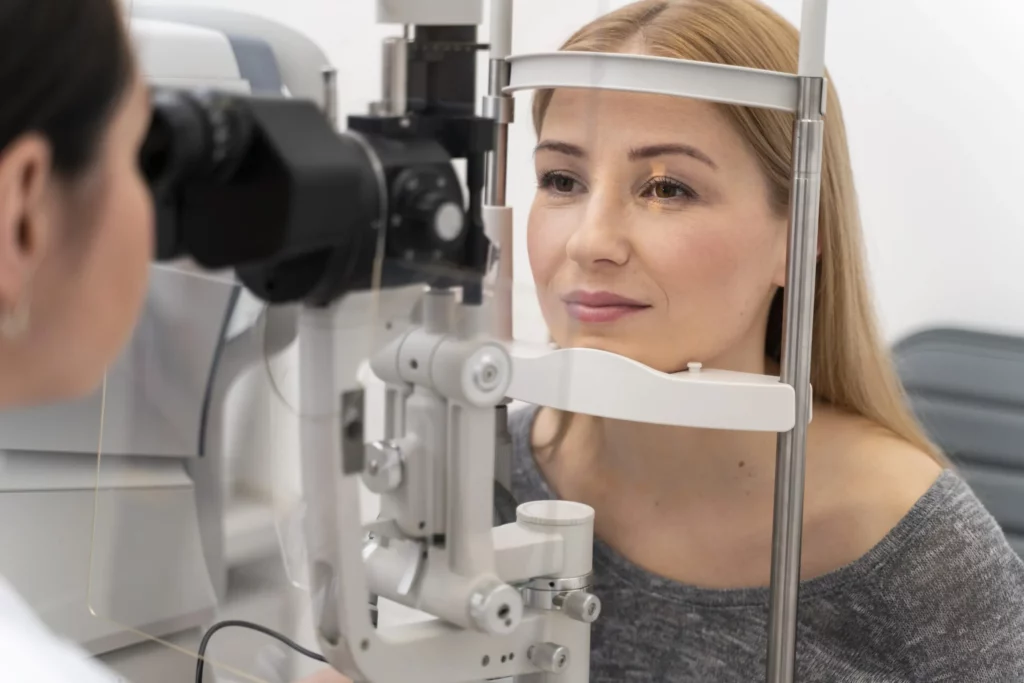
Your eyes are carefully measured, including corneal thickness, shape, and prescription stability. This step determines whether LASIK is appropriate.
Step 2: Numbing the Eye
Eye drops are used to numb the surface. You remain awake, but discomfort is minimal.
Step 3: Creating the Corneal Flap
A precise laser creates a very thin flap on the cornea, which is gently lifted.
Step 4: Reshaping the Cornea
Another laser reshapes the exposed tissue beneath the flap to correct how light focuses.
Step 5: Flap Repositioning
The flap is placed back into position, where it naturally adheres without stitches.
The entire LASIK eye surgery process usually takes about 10–15 minutes for both eyes.
Who Is LASIK Suitable For?
LASIK eye surgery is often suitable for people who:
Are over 18 years old
Have stable vision for at least one year
Have healthy eyes and adequate corneal thickness
Want fast visual recovery
It’s particularly popular among people with active lifestyles who value quick healing and minimal downtime.
Benefits and Limitations of LASIK
Benefits
Rapid visual improvement, often within 24 hours
Minimal discomfort for most people
Long track record and high satisfaction rates
Limitations
Not suitable for very thin corneas
Temporary dryness can occur
Does not prevent age-related vision changes
What Is PRK (Photorefractive Keratectomy)?
PRK is the original form of laser eye surgery and remains an excellent option for many people. Unlike LASIK, PRK does not involve creating a corneal flap. Instead, the outer surface layer of the cornea is gently removed before laser reshaping begins.
Because there’s no flap, PRK can be a safer option for people with thinner corneas or those at higher risk of eye trauma.
How PRK Works
After the corneal surface layer is removed, a laser reshapes the underlying tissue in a similar way to LASIK. The surface layer then naturally regenerates over several days.
Healing takes longer than LASIK, but long-term vision outcomes are often comparable.
Who PRK May Be Better Suited For
PRK is often recommended for:
People with thinner corneas
Those with certain corneal irregularities
Individuals in occupations or sports where eye impact is a concern
Benefits and Limitations of PRK
Benefits
No corneal flap
Suitable for thinner corneas
Stable long-term results
Limitations
Longer recovery period
More discomfort during early healing
Vision improves more gradually
What Is SMILE Laser Eye Surgery?
SMILE (Small Incision Lenticule Extraction) is a newer form of laser eye surgery. It uses a single laser to create a small disc of tissue inside the cornea, which is then removed through a tiny incision.
Because the surface of the cornea remains mostly intact, SMILE may reduce the likelihood of post-surgery dryness for some people.
How SMILE Works
A laser creates a small lenticule within the cornea. This lenticule is removed through a small opening, changing the shape of the cornea and improving vision.
No flap is created, and the incision is smaller than with LASIK.
Who SMILE Is Best Suited For
SMILE may be suitable for:
People with moderate to high myopia
Those concerned about dry eye symptoms
Individuals seeking a minimally invasive option
SMILE is not suitable for all prescriptions, particularly some cases of farsightedness.
Benefits and Limitations of SMILE
Benefits
Small incision and no flap
Potentially lower risk of dry eye
Strong corneal stability
Limitations
Not suitable for all vision errors
Slightly slower visual recovery than LASIK
Less flexibility for enhancements
Safety and Success Rates Across All Three Procedures
LASIK eye surgery, PRK, and SMILE all have strong safety records when performed on suitable candidates. Advances in laser technology, detailed pre-surgery screening, and experienced surgeons have significantly improved outcomes over time.
Patient satisfaction is high across all three procedures when expectations are realistic and the chosen method matches the individual’s eye health and lifestyle.
Recovery Expectations: What’s Different?
LASIK Recovery
Vision often improves within a day
Minimal discomfort
Quick return to daily activities
PRK Recovery
Initial discomfort for several days
Vision improves gradually over weeks
Longer healing but stable long-term results
SMILE Recovery
Mild discomfort
Vision improves steadily over several days
Less impact on the corneal surface
Choosing the Right Laser Eye Surgery for You
There is no universal “best” laser eye surgery. The right option depends on:
Corneal thickness and shape
Prescription type and strength
Lifestyle and work demands
Comfort with recovery time
A thorough consultation with an eye care professional is essential. Their role is not to push one option, but to guide you toward the safest and most effective choice for your eyes.
FAQs: LASIK vs PRK vs SMILE
How do doctors decide which laser eye surgery suits me?
Your eye specialist considers corneal thickness, prescription strength, eye health, and lifestyle needs. Detailed scans and measurements guide the recommendation. The goal is to choose the option that offers the safest correction and the most reliable long-term vision for your individual eyes.
Is LASIK eye surgery always better than PRK or SMILE?
LASIK eye surgery isn’t automatically better—it’s simply different. LASIK offers faster recovery, while PRK may suit thinner corneas, and SMILE may reduce surface disruption. Each method has strengths, and the “best” choice depends on your eye structure and personal priorities.
Does recovery time affect long-term results?
Recovery speed differs, but long-term vision outcomes are often similar across LASIK, PRK, and SMILE when performed on suitable candidates. Faster recovery doesn’t necessarily mean better results; it simply reflects how the eye heals after each technique.
Can I switch procedures if one isn’t suitable?
If LASIK isn’t suitable, PRK or SMILE may still be options. The procedures are not interchangeable on the same day, but alternative methods are often available after assessment. This flexibility helps ensure you still have safe vision correction choices.
Are enhancements possible with all three procedures?
Enhancements are possible with LASIK and PRK more commonly than with SMILE. The need for enhancement depends on healing response and vision stability. Your eye care provider will explain how likely adjustments are and which procedures offer the most flexibility if changes are needed.
What Makes Sydney’s Tattoo Culture So Unique in 2024?
Sydney tattoo culture 2024 stands as one of the most dynamic and diverse body art scenes globally. The city has transformed from viewing tattoos as rebellious statements to embracing them as legitimate art forms worthy of galleries and museums.
The evolution traces back decades, with waves of cultural influence shaping today’s landscape. Pacific Islander traditions brought bold tribal patterns, Japanese immigrants introduced intricate Irezumi techniques, and European settlers contributed old-school American styles. This multicultural foundation created a melting pot where artists freely blend techniques and philosophies.
Tattoos serve as visual autobiographies for Sydneysiders. Each piece tells a story—commemorating lost loved ones, celebrating personal milestones, or expressing core values. Walk through Newtown or Bondi, and you’ll witness this narrative diversity: a software developer sporting delicate line work, a chef wearing full Japanese sleeves, a teacher with subtle geometric patterns.
The Sydney Best Tattoo Designs: The 5 Most Requested Styles This Year showcase this cultural richness. Studios across Surry Hills, Darlinghurst, and Bondi Beach push creative boundaries while respecting traditional techniques. Artists collaborate with clients to craft custom pieces that honor both timeless artistry and contemporary innovation.
This unique blend positions Sydney as a global tattoo destination where tradition meets cutting-edge creativity.
1. Why Are Freehand Tattoos Taking Over the Streets of Sydney?
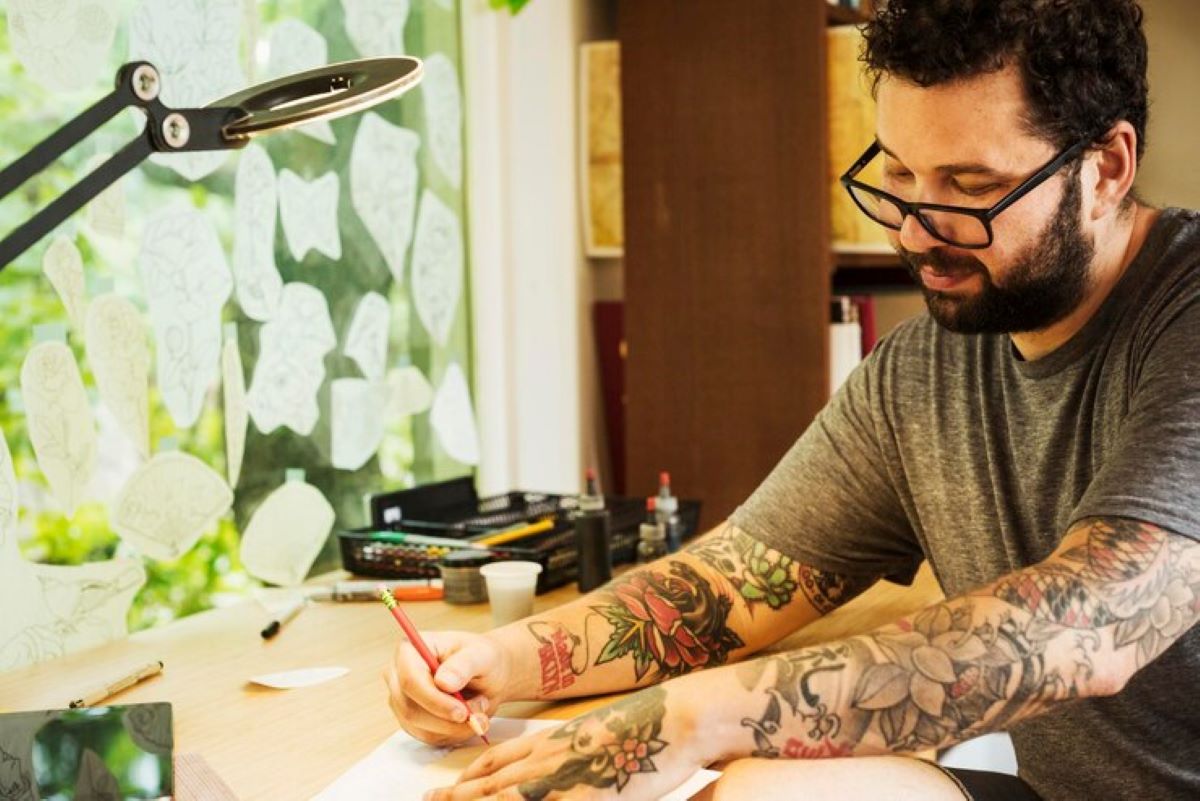
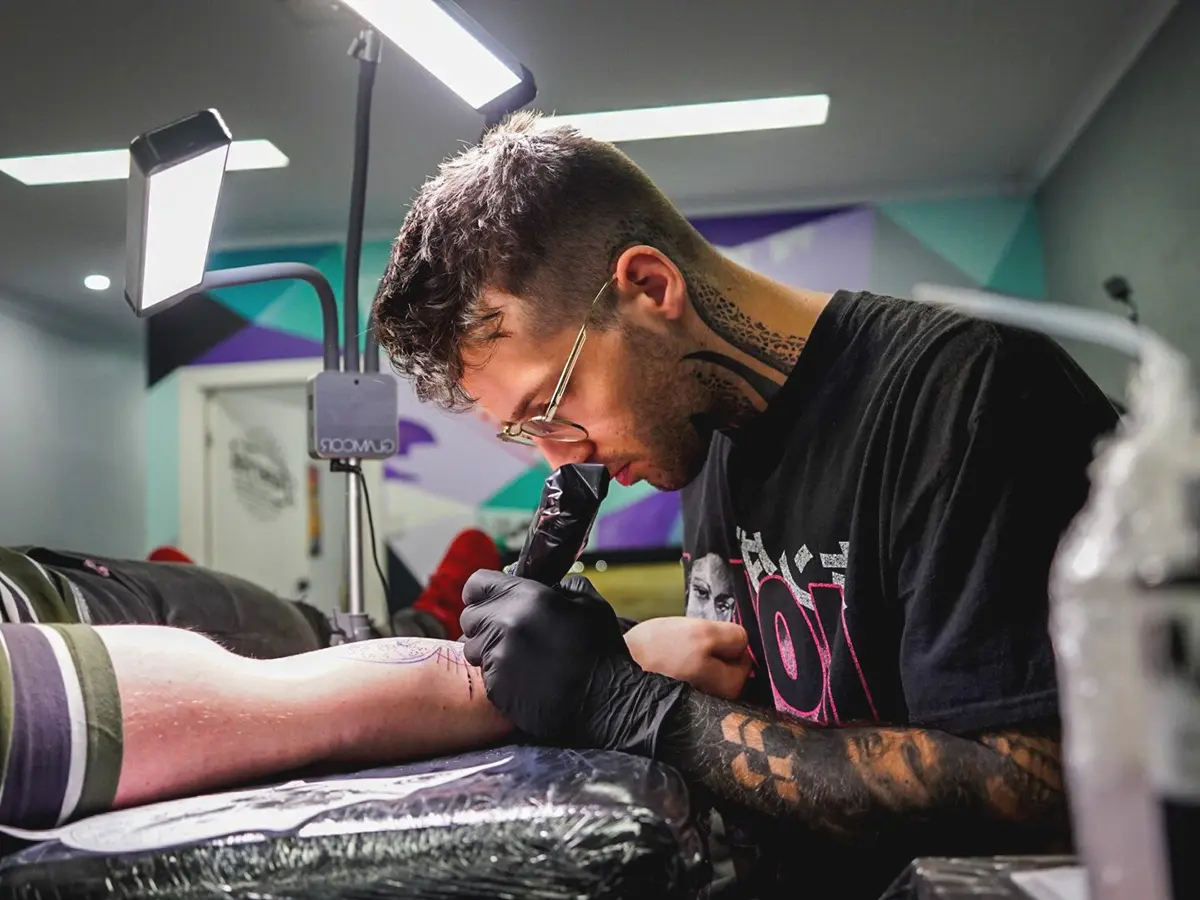
Freehand tattoos Sydney artists are creating buzz by ditching stencils entirely and drawing directly onto skin. This technique transforms the body into a living canvas, where artists sketch and ink simultaneously, allowing designs to flow naturally with each person’s unique contours and movements.
The method demands exceptional skill and confidence from tattoo artists. They must visualize the complete design while adapting to the body’s natural curves, muscle definition, and bone structure. This spontaneous approach creates pieces that simply cannot be replicated—each tattoo becomes a singular work of art shaped by the moment of creation.
One of the key distinctions between freehand tattoos and traditional methods is highlighted in discussions about the difference between transfer vs freehand tattoos. While traditional tattoos often rely on stencils or transfers, freehand tattoos allow for a more personalized and organic approach.
Popular freehand designs include:
Flowing botanical pieces that wrap organically around limbs
Abstract patterns that respond to body movement
Custom lettering that follows natural body lines
Ornamental designs tailored to specific placement
Sydneysiders gravitate toward freehand tattoos because they reject cookie-cutter designs. The technique appeals to those who value authenticity and want their body art to feel genuinely personal. When an artist draws freehand, they consider your body’s unique architecture, creating something that exists nowhere else in the world.
The collaborative nature of freehand tattooing also resonates with Sydney’s creative community. Clients witness their tattoo’s birth in real-time, participating in an intimate artistic process that strengthens the connection between wearer and artwork.
2. Why Are Delicate Line Tattoos So Popular in Sydney?
Delicate line tattoos are popular among many people in Sydney because of their thin and precise designs that exude elegance. These minimalist tattoos are created using a single-needle technique, resulting in clean and delicate lines that sit softly on the skin without being overpowering.
The Versatility of Delicate Line Tattoos
One of the main reasons why these tattoos are so appealing is their versatility. They can be customized to suit individual preferences and can represent various meanings or symbols.
Some common themes found in delicate line tattoos include:
Nature-inspired designs: Such as flowers, leaves, and other botanical elements
Animal motifs: Including silhouettes of birds, cats, or marine creatures
Geometric patterns: Incorporating shapes like triangles or circles
Symbolic representations: Depicting meaningful icons or symbols
Who Is Attracted to Delicate Line Tattoos?
The appeal of delicate line tattoos extends to different age groups and backgrounds. Here are some examples of who may be drawn to this style:
Professionals looking for discreet tattoos that can be easily covered up at work
Individuals getting their first tattoo and wanting something subtle
People who appreciate fine art and craftsmanship in tattooing
The Longevity and Placement Options
When done by skilled artists, delicate line tattoos have the potential to age well over time. The lines remain crisp and defined even after years have passed since getting inked.
Another advantage of these tattoos is their intimate size, which allows for placement in hidden areas such as wrists, behind ears, or along collarbones. This makes them an ideal choice for those who prefer keeping their body art private while still expressing themselves.
Social Media Influence
In recent years, social media platforms like Instagram have played a significant role in popularizing delicate line tattoos. Their visually appealing nature makes them highly shareable online, inspiring many Sydney residents to embrace this refined aesthetic.
The combination of all these factors contributes to the allure of delicate line tattoos among people in Sydney.
3. Why Do Japanese Tattoos Continue to Captivate Sydneysiders?
Japanese tattoos Sydney remain one of the most sought-after styles because they combine centuries-old tradition with deeply symbolic storytelling. Irezumi (or Horimono) represents more than decorative art—each element carries specific cultural meaning rooted in Japanese mythology, folklore, and spiritual beliefs.
The intricate imagery that defines these Japanese tattoos Sydney pieces includes:
Samurai warriors symbolizing honor, courage, and unwavering loyalty
Geisha women representing beauty, grace, and the refined arts
Koi fish embodying perseverance, transformation, and overcoming adversity
Dragons signifying wisdom, strength, and protection
Cherry blossoms reflecting life’s fleeting nature and beauty
These designs demand exceptional technical skill. Artists must master traditional shading techniques, understand proper placement on the body’s contours, and respect the cultural significance behind each symbol. The bold color palettes—vibrant reds, deep blues, and rich blacks—create striking contrast that ages beautifully.
Authentink in Surry Hills stands as Sydney’s premier destination for authentic Japanese tattooing. Their artists have studied traditional methods and maintain the discipline required for these complex pieces. The studio’s commitment to cultural authenticity ensures clients receive genuine Irezumi work rather than superficial imitations.
These tattoos often require multiple sessions spanning months or years, particularly for full sleeves or back pieces. The investment reflects both the artistry involved and the permanent connection to Japanese cultural heritage.
4. Why Do Sydneysiders Love Realism Tattoos?
Realism tattoos Sydney artists create pieces that look exactly like photographs, capturing every shadow, texture, and subtle detail with stunning accuracy. These designs replicate the exact appearance of their subjects, whether human faces, animals, or objects, transforming skin into a living canvas of lifelike imagery.
The Emotional Connection
The emotional significance behind these tattoos drives their popularity. Many Sydneysiders choose portraits of family members, partners, or children as permanent tributes to their relationships. Pet portraits rank equally high, with dog and cat lovers immortalizing their companions in breathtaking detail. Some opt for spirit animals—wolves representing loyalty, eagles symbolizing freedom, or lions embodying strength—that reflect personal values and characteristics.
The Skill Behind the Art
Creating these masterpieces demands exceptional technical skill. Artists must understand:
Light source direction and shadow placement
Skin tone variations and color blending
Depth perception through shading techniques
Anatomical proportions and facial features such as in-depth understanding on how to illustrate heads, faces and facial features
Aging considerations as skin changes over time
Studios like Lighthouse Tattoo and Hunter & Fox employ specialists who’ve spent years perfecting photorealistic techniques. The process typically requires multiple sessions, with artists working from high-resolution photographs to ensure accuracy. This meticulous approach explains why realism tattoos command premium pricing—clients aren’t just paying for ink, but for an artist’s mastery in translating three-dimensional reality onto a two-dimensional, curved surface that breathes and moves. Check out more about best fine line tattoo artists sydney: where to go for clean, ultra-precise detail.
Which Tattoo Studios Are Leading the Way in These Trending Styles?
Authentink in Surry Hills is Sydney’s top choice for traditional Japanese tattoos. Here, skilled artists use age-old Irezumi techniques, paying close attention to cultural accuracy and symbolic intricacies.
Lighthouse Tattoo in Botany has earned a reputation for its adaptability. The studio boasts a team proficient in various styles, including Japanese traditional and lifelike portraiture. Their personalized approach guarantees that every client receives a tattoo that perfectly aligns with their vision, regardless of their preferred style.
Bondi Ink gained international fame through its reality show, but the studio’s true success lies in its exceptional talent. The artists here effortlessly switch between different styles—ranging from intricate line work to striking realism—making it a popular choice for clients seeking a wide range of design options all in one place.
These best tattoo studios Sydney 2024 have something in common: they don’t just follow trends, they create them. Each studio upholds strict hygiene practices while nurturing an atmosphere where artistic creativity flourishes. Their artists consistently enhance their skills, participate in global conventions, and collaborate with clients to turn personal narratives into everlasting art.
Where Can You Find Your Dream Tattoo Design in Sydney?
Instagram and Pinterest are great platforms to find tattoo design inspiration. They have a wide range of galleries showcasing the work of top tattoo artists in Sydney. You can explore hashtags such as #SydneyTattoo or #SydneyBestTattooDesigns to discover popular styles and portfolios of artists. Make sure to save any designs that resonate with you, but keep in mind that these should only serve as ideas and not dictate your final piece. Customization is key in turning generic concepts into personal statements.
When looking for tattoo shops in Sydney, it’s important to research each studio’s portfolio to ensure they have expertise in your preferred style. Here are some factors to consider:
Artist specializations: Check if the artists specialize in Japanese, realism, line work, or freehand techniques.
Client reviews: Read reviews on Google and social media platforms to get an idea of the studio’s reputation.
Hygiene certifications: Ensure that the studio maintains high cleanliness standards and has proper hygiene certifications.
Consultation processes: Find out how the studio conducts consultations and if they prioritize understanding your vision.
Studios like Authentink are known for their exceptional Japanese designs, while Lighthouse Tattoo offers versatility across various techniques. It’s a good idea to book consultations with 2-3 artists to compare their approaches. The right artist will not only enhance your concept but also respect your original vision. Quality studios value collaboration and strive to create tattoos that tell your unique story instead of simply copying existing designs.
Embrace Your Individuality Through Tattoos
Embracing individuality through tattoos means choosing designs that genuinely represent your story, beliefs, and aesthetic preferences. Each of the Sydney Best Tattoo Designs: The 5 Most Requested Styles This Year offers distinct ways to express who you are—whether through the spontaneity of freehand work, the elegance of delicate lines, or the depth of Japanese symbolism.
Your tattoo becomes a permanent reflection of your journey. Take time browsing multiple artists’ portfolios to find someone whose vision aligns with yours. The right artist will understand your concept and translate it into meaningful body art that you’ll cherish for life.
What Are Fine Line Tattoos and Why Are They Popular?
Fine line tattoos use single-needle techniques to create delicate, precise designs with minimal ink saturation. These minimalist tattoos feature thin, clean lines that produce elegant artwork ranging from simple geometric shapes to complex botanical illustrations.
The style excels at capturing intricate details that would appear heavy-handed with traditional tattooing methods. Artists specializing in this technique can render:
Delicate floral patterns with individual petals and stems
Micro-realistic portraits with subtle shading
Minimalist line art depicting animals, landscapes, or abstract concepts
Fine script and typography with crisp letterforms
Geometric patterns with razor-sharp angles and symmetry
Popular placement areas maximize the visual impact of these subtle designs. The wrist offers a visible canvas for small, meaningful symbols. Collarbone placements create an elegant frame that follows natural body contours. Ankle tattoos remain discreet yet personal, while the inner forearm provides a larger space for more detailed compositions.
First-time tattoo clients gravitate toward fine line work for several compelling reasons. The understated nature allows for professional discretion—these intricate tattoo designs rarely dominate a room but reveal their complexity upon closer inspection. The pain factor often feels more manageable with single-needle work compared to bold traditional styles requiring multiple passes.
Those seeking subtle self-expression appreciate how fine line tattoos communicate personal meaning without overwhelming visual presence. A small constellation on the wrist or a delicate quote along the ribcage serves as a private reminder rather than a public declaration. This restraint appeals to individuals who value sophistication over statement pieces.
The growing popularity of fine line tattoos has created demand for specialists who can execute ultra-precise detail work. Sydney’s tattoo scene has responded with artists dedicated exclusively to mastering this challenging technique, making the city a destination for those seeking the best fine line tattoo artists Sydney has to offer.
Which Tattoo Studios in Sydney Specialize in Fine Line Tattoos?
Sydney is home to several top-notch studios where specialist tattoo artists have mastered the delicate craft of fine line work. These studios stand out for their commitment to precision and their portfolios showcasing consistently clean, detailed results.
Bondi Fineline Tattoo Studio
Bondi Fineline Tattoo Studio is one of the best fine line tattoo studios in Sydney. It has a reputation for elegant, intricate designs that prioritize both beauty and personal significance. The studio’s artists are highly skilled in ultra-fine needlework, creating pieces such as botanical illustrations and geometric patterns with remarkable clarity.
Characteristics of Leading Fine Line Studios
Leading fine line studios in Sydney share several key traits:
Specialized equipment and techniques: These studios use tools and methods specifically designed for delicate linework.
Artist portfolios: They showcase consistent precision across various design styles.
Custom design processes: Their approach involves translating client concepts into refined artwork.
Hygiene standards: These studios maintain cleanliness protocols that accommodate the longer session times often needed for intricate work.
The Artistry Behind Fine Line Tattoos
These studios view fine line tattooing as a form of wearable art rather than just applying ink to skin. The focus is on creating pieces that feel personal and intentional, with each line serving a specific purpose in the overall composition. Artists at these establishments typically have smaller client loads to ensure they can dedicate enough time to the meticulous attention their craft requires.
The best fine line tattoo studios recommended by Sydney residents often have artists who have undergone extensive training in this specific style. They understand how to adjust needle depth and ink saturation to achieve lines that remain crisp without looking harsh. Their work demonstrates an understanding that fine line tattoos require a lighter touch and different technical approach compared to traditional tattooing methods, resulting in pieces that maintain their delicate appearance while still achieving proper ink retention.
To ensure the longevity and quality of these delicate tattoos, it’s crucial to follow appropriate aftercare procedures. In-depth tattoo aftercare advice should be sought from professionals or trusted sources to maintain the integrity of your new ink.
Who Are the Top Fine Line Tattoo Artists in Sydney?
Sydney’s top fine line tattoo artists bring years of specialized training in creating ultra-precise detail that sets their work apart. These skilled tattooists have honed their craft through countless hours perfecting the delicate hand control required for clean, crisp lines that define exceptional fine line work.
Notable Precision Tattoo Artists:
Artists at Bondi Fineline Tattoo Studio have built reputations for transforming minimalist concepts into stunning reality, with portfolios showcasing everything from botanical illustrations to geometric patterns
Experienced practitioners typically have 5+ years focusing exclusively on fine line techniques, understanding how ink behaves in skin at micro-levels
Specialists in delicate designs often display their work through Instagram portfolios, allowing potential clients to assess their consistency and style before booking
The expertise of these precision tattoo artists extends beyond technical skill. They understand skin anatomy, knowing which areas hold fine lines best and how to adjust needle depth for optimal results. Their experience with delicate designs means they can advise clients on sizing considerations—fine line tattoos require adequate space for details to remain legible as they age.
The Consultation Process:
Consultations form the foundation of successful fine line tattoos. During these sessions, artists:
Discuss design concepts and assess whether ideas translate well to fine line style
Evaluate placement options based on skin type, lifestyle, and design complexity
Provide realistic expectations about healing, longevity, and maintenance requirements
Sketch custom designs that reflect client preferences while maintaining technical integrity
These skilled tattooists prioritize open communication, ensuring clients understand the process before committing. They’ll often show reference photos from previous work, explaining how certain design elements age over time. This collaborative approach helps tailor each tattoo to individual preferences while maintaining the artistic standards that define exceptional fine line work.
How Do Fine Line Tattoos Differ in Longevity Compared to Traditional Tattoos?
Fine line tattoos typically fade faster than traditional tattoos because they use thinner needles and deposit less ink into the skin. The delicate lines contain lighter ink saturation, which means there’s simply less pigment to maintain the design’s sharpness over time.
Understanding Fine Line Tattoo Fading
The ultra-precise nature of fine line work creates stunning detail but comes with trade-offs. Traditional tattoos use thicker lines and heavier ink deposits that penetrate deeper into the dermis, creating more resilient designs. Fine line tattoos, by contrast, rely on single-needle techniques that create hair-thin lines. These delicate strokes naturally blur and lighten more quickly, especially in high-friction areas like fingers or feet.
Essential Aftercare Practices
Proper tattoo aftercare Sydney residents should follow includes:
Daily sun protection with SPF 50+ sunscreen on tattooed areas
Gentle cleansing with fragrance-free soap during the healing phase
Moisturizing with tattoo-specific balms to prevent excessive dryness
Avoiding submersion in pools, oceans, or baths for 2-3 weeks
Limiting sun exposure during peak UV hours
UV rays are particularly damaging to fine line tattoos, breaking down ink particles faster than traditional designs. Sydney’s intense sun makes diligent protection non-negotiable for maintaining tattoo longevity.
The Role of Touch-Ups
Touch-ups become necessary every 2-5 years depending on placement, skin type, and sun exposure. The Best Fine Line Tattoo Artists Sydney offers typically include touch-up consultations to refresh faded lines and restore original clarity. Artists can re-trace delicate details that have softened, ensuring the design maintains its intended precision.
Inner forearm and collarbone placements generally hold fine line tattoos better than high-movement areas. Discussing placement with your artist during consultation helps set realistic expectations about how frequently your specific design might need refreshing. Click here to get more about Sydney Best Tattoo Designs: The 5 Most Requested Styles This Year.
What Should Clients Expect During a Fine Line Tattoo Appointment?
The Consultation: Setting the Stage
A fine line tattoo consultation begins with a detailed discussion where artists review your design ideas, placement preferences, and any reference images you’ve brought. The artist will assess your skin type, discuss sizing considerations, and explain how the delicate nature of fine line work translates to your chosen body area.
During this client experience Sydney studios prioritize, artists sketch preliminary designs or refine existing concepts to match your vision. They’ll address questions about pain levels, session duration (typically 1-3 hours for most fine line pieces), and pricing based on complexity and size. This collaborative phase ensures both parties share a clear understanding before needle touches skin.
The Execution: Precision in Every Stroke
The tattoo appointment process demands exceptional focus from artists working with single needles or small groupings. You’ll notice artists working slowly and methodically, frequently pausing to wipe away excess ink and assess line quality. The delicate strokes require steady hands and careful attention to depth—too shallow and the ink won’t hold, too deep and lines may blur.
Artists often work in sections, completing one area before moving to the next. They’ll check in regularly about your comfort level and may suggest short breaks during longer sessions. The meticulous nature means appointments can take longer than traditional tattoo styles of similar size.
The Importance of Communication
Open dialogue throughout your fine line tattoo consultation and execution prevents misunderstandings. Artists appreciate clients who speak up about discomfort, ask for clarification on design elements, or request minor adjustments before completion. Many studios encourage clients to bring inspiration photos while remaining realistic about what’s technically achievable in fine line style.
Successful outcomes depend on this partnership—artists bring technical expertise while clients provide honest feedback about their preferences and pain tolerance. Studios that specialize in fine line work understand this dynamic and create environments where questions are welcomed rather than discouraged.
Where Can Clients Find Reviews or Testimonials for Fine Line Tattoo Artists in Sydney?
There are several online platforms where clients can find reviews or testimonials for fine line tattoo artists in Sydney. These platforms include:
Google Reviews: This is a popular platform where customers can leave reviews and ratings for businesses, including tattoo studios. Potential clients can check the star ratings and read detailed written reviews to get an idea of the artist’s quality and service.
Instagram: Many fine line tattoo artists showcase their work on Instagram. By visiting their profiles, clients can see real-time samples of their tattoos, client comments, and tagged posts. This gives potential clients a glimpse into the artist’s style and customer satisfaction.
Facebook: Some tattoo studios have Facebook pages where they share testimonials and reviews from clients. These pages may also feature before-and-after photos that demonstrate the artist’s precision work.
Studio Websites: Tattoo studios often have their own websites with dedicated testimonial pages. Here, clients can find curated testimonials highlighting customer experiences and satisfaction with the artist’s work.
In addition to these platforms, there are other sources where clients can find reviews or testimonials for fine line tattoo artists in Sydney:
Reddit Communities: The r/Sydney and r/tattoos communities on Reddit offer discussions about local artists. Users share honest experiences and recommendations, providing unfiltered perspectives on which artists consistently deliver clean, ultra-precise detail.
Booking Platforms: Websites like Booksy and Fresha aggregate verified reviews from clients who have completed appointments at various tattoo studios. These platforms add another layer of authenticity to the research process by showcasing feedback from individuals who have firsthand experience with the artists.
By exploring these different avenues, potential clients can gather valuable information about fine line tattoo artists in Sydney and make informed decisions when choosing an artist for their desired tattoo design.
Choosing between a home sleep study and an in-clinic lab test can feel oddly high-stakes, especially when they are tired, snoring, or waking up unrefreshed. This guide compares the two options in practical terms, with Melbourne and broader Australian context in mind, so they can choose the test that fits their symptoms, budget, and timeline.
The phrase Home Sleep Study Melbourne vs Lab Test Which Is Right comes up so often because both tests can be “right”, just for different people. What matters is what the clinician is trying to diagnose, how complex the sleep problem looks, and how much detail is needed from the data.
What is the real difference between a home sleep study and a lab test?
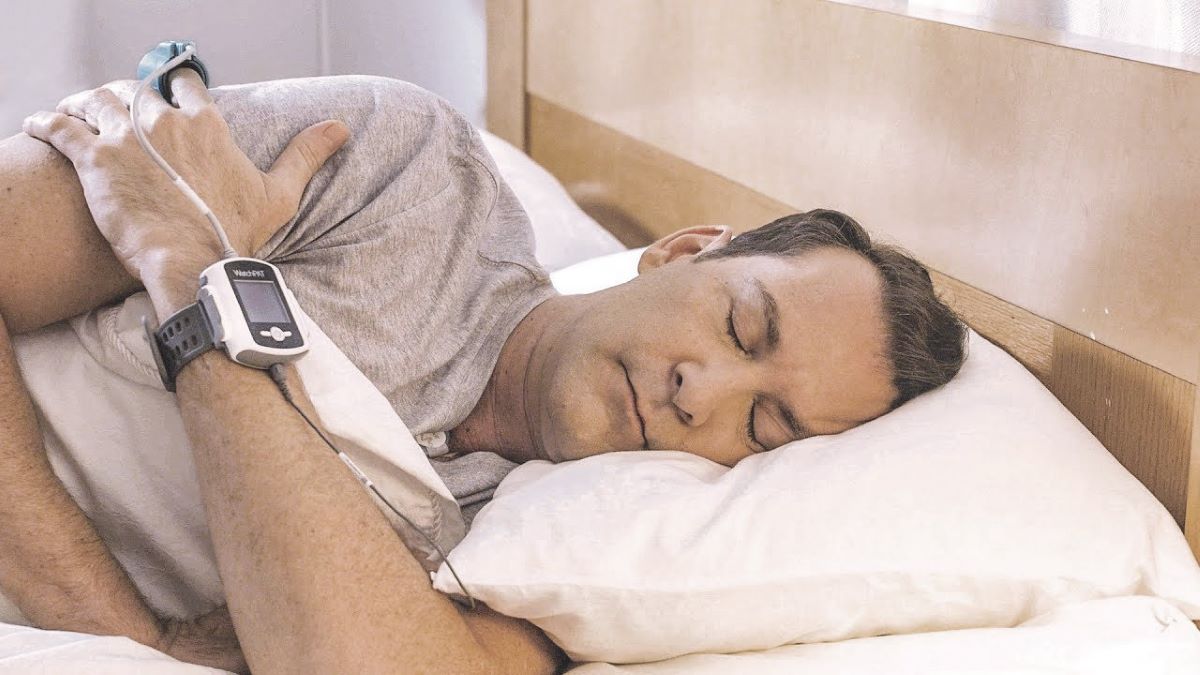
A home sleep study is usually a simplified test done in their own bed using a portable device, while a lab test (polysomnography) is a fully monitored overnight study in a sleep clinic. In simple terms, home testing is convenient and targeted, and lab testing is comprehensive and closely supervised.
When people search Home Sleep Study Melbourne vs Lab Test Which Is Right, they are typically weighing comfort and speed against depth and certainty.
Who is a home sleep study best suited to?
A home sleep study is often best for adults with a high suspicion of obstructive sleep apnoea, especially if symptoms are straightforward. Typical signs include loud snoring, witnessed pauses in breathing, morning headaches, and significant daytime sleepiness.
In Melbourne, home studies are commonly used when a GP suspects sleep apnoea and wants a quicker, lower-cost pathway to results and treatment.
Who is a lab sleep test best suited to?
A lab test is usually best when symptoms suggest something more complex than straightforward obstructive sleep apnoea. It is also preferred when a clinician needs more channels of data, or when safety and supervision matter.
For many people asking Home Sleep Study Melbourne vs Lab Test Which Is Right, the deciding factor is complexity. If there are unusual night behaviours, possible seizures, suspected narcolepsy, or significant co-existing medical issues, a lab study often makes more sense.
What conditions can each test diagnose well?
Home studies are mainly designed to detect obstructive sleep apnoea and related breathing disturbances. Some devices estimate oxygen drops and breathing events reliably, but they do not usually capture the full picture of sleep stages or detailed brain activity.
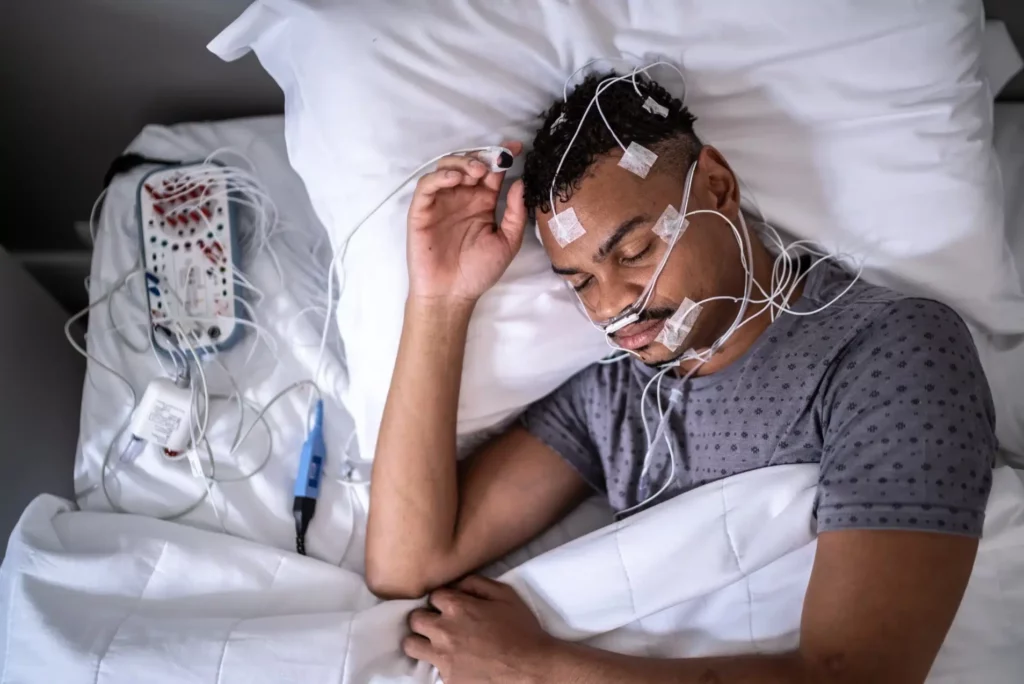
Lab studies can assess breathing disorders plus other sleep problems, because they typically record brain waves, eye movements, muscle tone, heart rhythm, airflow, effort, oxygen, and sometimes video. That broader scope is why Home Sleep Study Melbourne vs Lab Test Which Is Right is not just about convenience, but also diagnostic range.
How accurate is a home sleep study compared with a lab test?
For moderate to severe obstructive sleep apnoea in otherwise uncomplicated adults, home testing can be very accurate when it is properly set up and interpreted by qualified clinicians. The main limitations are that home tests often cannot confirm actual sleep time with the same precision, and sensors can shift overnight.
Lab tests usually provide the most reliable, comprehensive dataset because technicians can fix issues in real time. People searching Home Sleep Study Melbourne vs Lab Test Which Is Right should think of home testing as accurate for the right question, and lab testing as the gold standard when uncertainty is higher.
What does each test measure, in plain language?
Home studies commonly measure breathing airflow, breathing effort, oxygen saturation, heart rate, and body position. Some add snoring intensity or actigraphy, depending on the device.
Lab studies add sleep staging through EEG, eye movement tracking, muscle activity, and often additional respiratory and cardiac channels. This is why Home Sleep Study Melbourne vs Lab Test Which Is Right often comes down to whether they need a focused breathing assessment or a full sleep architecture assessment.
How comfortable is each option for most people?
Home testing is usually more comfortable because they sleep in their own bed and follow their normal routine. That can reduce anxiety and make the night feel more natural, which some people prefer.
Lab testing is less familiar, with more sensors and a different environment. Still, most clinics aim for a hotel-like feel, and many people sleep enough for the data to be useful. When weighing Home Sleep Study Melbourne vs Lab Test Which Is Right, comfort matters, but it should not outweigh clinical need.
How fast can they usually get tested in Melbourne?
Home studies can often be arranged quickly, sometimes within days, depending on provider capacity and referral pathways. Many services allow device pickup, courier delivery, or assisted fitting, which speeds things up.
Lab tests can involve longer wait times due to limited bed availability and staffing. For Home Sleep Study Melbourne vs Lab Test Which Is Right, the timeline can be decisive if symptoms are impacting work, driving safety, or mental health.
What does the process look like from GP visit to results?
They typically start with a GP appointment, then a referral to a sleep physician or a sleep service that can arrange testing. For home testing, they receive the device, use it overnight, then return it for analysis and reporting.
For lab testing, they attend the clinic overnight and a sleep scientist monitors the recording. Results are then interpreted and discussed, usually at a follow-up consultation. People searching Home Sleep Study Melbourne vs Lab Test Which Is Right are often really asking, “Which pathway gets a clear answer with the least friction?”
What about costs, Medicare, and private health in Australia?
Costs vary widely by provider, inclusions, and whether the test is done through a public hospital, private clinic, or mixed model. Some lab studies and consultations may attract Medicare rebates when eligibility and item requirements are met, and private health may reduce out-of-pocket costs depending on their level of cover.
Home studies are often cheaper upfront, but pricing can shift depending on whether they include physician review, CPAP trials, or follow-up support. Anyone comparing Home Sleep Study Melbourne vs Lab Test Which Is Right should ask for a written quote that lists the test, reporting, consultations, and any equipment hire.
When is a home sleep study not appropriate?
Home testing may be unsuitable if there is significant cardiopulmonary disease, suspected hypoventilation, neuromuscular disorders affecting breathing, or complex sleep complaints. It may also be less suitable if prior home testing was inconclusive or technically inadequate.
If symptoms point to parasomnias, periodic limb movement disorder, narcolepsy, or seizure-like events, lab testing is often preferred. This is the clinical core of Home Sleep Study Melbourne vs Lab Test Which Is Right: matching the tool to the risk and the diagnostic question.
What practical issues can ruin a home sleep study night?
The most common problems are sensors coming loose, incorrect placement, or the device not recording properly. Some people also sleep poorly because they are thinking about the device, which can affect results.
Many services reduce this risk with clear instructions, phone support, and simple setups. For Home Sleep Study Melbourne vs Lab Test Which Is Right, it is worth asking what happens if the recording fails and whether a repeat night is included.
What practical issues can affect a lab study night?
Sleeping in a new environment can reduce sleep time, and the number of sensors can feel intrusive. That said, technicians can correct sensors quickly, and most people still get enough sleep for valid data.
Some lab studies also include split-night protocols, where CPAP is introduced mid-study if sleep apnoea is clear. When deciding Home Sleep Study Melbourne vs Lab Test Which Is Right, they should ask whether the clinic offers split-night studies where appropriate.
How do results affect CPAP access and treatment decisions?
If obstructive sleep apnoea is diagnosed, results can guide CPAP therapy settings, mask choice, and follow-up needs. Home study results often provide enough information to start treatment, particularly for moderate to severe cases, though some people need further titration or troubleshooting.
Lab studies can provide more detailed guidance, especially if there are mixed events, oxygen concerns, or uncertainties. For Home Sleep Study Melbourne vs Lab Test Which Is Right, the follow-through plan matters as much as the test itself.
What should they ask a provider before booking?
They should ask what the test is designed to diagnose, who interprets it, what is included in the cost, and how follow-up works. They should also ask how data quality is checked and whether repeat studies are charged if the recording is inadequate.
In Melbourne, it is also reasonable to ask about appointment lead times, device delivery options, and whether results are sent to their GP promptly. These questions help turn Home Sleep Study Melbourne vs Lab Test Which Is Right from a guess into a decision.
Which option is usually better for shift workers and parents?
Home studies often suit shift workers and parents because they can test on a night that fits their schedule and sleep opportunity. They can also keep their usual bedtime routine, which can matter when sleep time is already limited.
Lab tests can still work, but scheduling can be harder and the overnight absence from home can be disruptive. For many in this situation, Home Sleep Study Melbourne vs Lab Test Which Is Right leans home first, unless symptoms demand lab-level detail.
How can they make either test night more likely to succeed?
They should follow their usual routine as much as possible, avoid excessive alcohol, and confirm medication instructions with their clinician. For home testing, they should apply sensors carefully and give themselves extra time before bed.
For lab studies, they should bring comfortable sleepwear and any usual items that help them sleep. Regardless of the choice, Home Sleep Study Melbourne vs Lab Test Which Is Right becomes easier when the recording is clean and representative.
So, which is right for most people right now?
For uncomplicated suspected obstructive sleep apnoea, a home sleep study is often the fastest, most convenient first step. For complex symptoms, safety concerns, or unclear prior results, a lab test is usually the better option.
In practice, Home Sleep Study Melbourne vs Lab Test Which Is Right is best answered by a clinician who can match symptoms and medical history to the right test. The goal is not the fanciest study, but the one most likely to produce a clear diagnosis and a workable treatment plan.
FAQs (Frequently Asked Questions)
What is the main difference between a home sleep study and a lab sleep test in Melbourne?
A home sleep study is a simplified, convenient test done overnight in your own bed using a portable device, mainly targeting obstructive sleep apnoea. In contrast, a lab sleep test (polysomnography) is a comprehensive, fully monitored overnight study conducted in a sleep clinic, capturing detailed data on various sleep parameters.
Who is best suited for a home sleep study versus a lab sleep test?
Home sleep studies are best for adults with straightforward symptoms of obstructive sleep apnoea such as loud snoring and daytime sleepiness. Lab sleep tests are more appropriate for individuals with complex symptoms, unusual night behaviours, suspected narcolepsy, or significant medical conditions requiring detailed monitoring and supervision.
How accurate is a home sleep study compared to an in-clinic lab test?
For moderate to severe obstructive sleep apnoea in uncomplicated adults, home sleep studies can be very accurate when properly conducted and interpreted. However, lab tests provide the gold standard accuracy due to real-time technician oversight and comprehensive data collection that includes brain activity and other physiological measures.
What conditions can each type of sleep test diagnose effectively?
Home sleep studies primarily detect obstructive sleep apnoea and related breathing disturbances by measuring airflow, oxygen levels, heart rate, and body position. Lab tests diagnose a broader range of conditions including complex breathing disorders, seizures during sleep, narcolepsy, and other neurological or cardiac issues by recording brain waves, muscle activity, eye movements, and more.
How do comfort levels compare between home sleep studies and lab tests?
Home sleep studies generally offer greater comfort as they allow you to sleep in your own bed following your normal routine, reducing anxiety. Lab tests involve sleeping in an unfamiliar clinical environment with more sensors attached. Despite this, clinics strive to create comfortable settings to ensure quality data collection.
What are the typical timelines and costs associated with home versus lab sleep testing in Melbourne?
Home sleep studies can often be arranged quickly within days through device pickup or courier delivery, making them faster for those needing prompt assessment. Lab tests may have longer wait times due to limited clinic availability. Costs vary depending on provider and setting; some lab tests attract Medicare rebates or private health fund coverage while home studies tend to be less expensive upfront but pricing depends on included services.
A bulk-billed sleep study Melbourne offers patients the opportunity to undergo comprehensive sleep disorder testing without facing out-of-pocket expenses. These diagnostic assessments play a critical role in identifying conditions like obstructive sleep apnea, which affects thousands of Australians and can lead to serious health complications if left untreated.
Sleep studies measure breathing patterns, oxygen levels, and sleep quality throughout the night, providing physicians with essential data to diagnose and treat sleep disorders effectively. With bulk-bill sleep study Melbourne options available through Medicare, eligible patients can undergo testing at no out-of-pocket cost when they meet specific clinical criteria.
Melbourne residents experiencing symptoms such as chronic snoring, daytime fatigue, or interrupted breathing during sleep can access these bulk-billed sleep studies at multiple clinics across the city. This affordable testing approach eliminates financial barriers that might otherwise prevent individuals from seeking timely medical evaluation. With a valid referral from a general practitioner, qualified patients can receive high-quality diagnostic services without the burden of substantial medical expenses.
What Is a Bulk-Billed Sleep Study?
Bulk billing is a payment arrangement where healthcare providers bill Medicare directly for medical services, meaning patients pay nothing out-of-pocket. When applied to sleep studies, this system allows eligible individuals to undergo diagnostic testing for sleep disorders without facing financial barriers that might otherwise delay or prevent treatment.
Who Is Eligible for Bulk-Billed Sleep Studies?
Medicare eligibility for bulk-billed sleep studies depends on meeting specific clinical criteria. Patients must demonstrate symptoms consistent with obstructive sleep apnea (OSA) or other sleep disorders. The sleep study criteria Melbourne providers typically assess includes:
Witnessed breathing pauses during sleep
Loud, persistent snoring
Excessive daytime sleepiness measured by the Epworth Sleepiness Scale (ESS)
Morning headaches or dry mouth upon waking
Difficulty concentrating or memory problems
How Does Medicare Cover Sleep Studies?
Medicare covers the full cost of sleep studies for patients who meet these clinical thresholds. The system operates through the Medicare Benefits Schedule (MBS), which sets specific item numbers for different types of sleep testing. Patients must have a valid referral from a general practitioner or specialist who has assessed their symptoms and determined that diagnostic testing is medically necessary.
Benefits of Bulk-Billed Sleep Studies
The bulk billing arrangement removes the financial burden from patients while ensuring sleep physicians receive appropriate compensation through Medicare rebates. This model makes essential diagnostic services accessible to Australians who might otherwise struggle to afford private sleep testing fees.
How Can Patients Get a Referral for a Bulk-Billed Sleep Study?
Can I access a bulk-billed sleep study without seeing a doctor first?
No, all bulk-billed sleep studies in Melbourne require a doctor referral. Visiting your general practitioner represents the essential first step in the referral process, as they assess your symptoms and determine whether a sleep study Melbourne is clinically necessary.
What symptoms indicate I need a sleep study referral?
Your doctor will evaluate specific warning signs that suggest a sleep disorder requiring investigation. Common symptoms prompting a doctor referral include:
Your GP conducts a symptom evaluation during your appointment, often using standardized questionnaires to measure daytime sleepiness severity. If your symptoms meet clinical criteria, they complete a referral form detailing your medical history and specific concerns.
You then submit this referral form directly to your chosen sleep clinic, either by email, fax, or through their online portal. Most Melbourne providers process referrals within 48 hours and contact you to schedule your sleep study. The referral remains valid for 12 months from the date of issue.
Where Are Bulk-Billed Sleep Studies Conducted in Melbourne?
Several bulk-billed clinics operate across the metropolitan area of Melbourne, providing accessible sleep testing services for eligible patients. These facilities offer both in-lab and at-home testing options to accommodate different patient needs and preferences.
Major providers include:
Sleep Solutions Australia – Operates multiple locations throughout Melbourne, offering comprehensive sleep assessments with experienced sleep physicians
Sleep and Lung Care – Provides specialized respiratory and sleep disorder diagnostics with bulk-billing options for referred patients
ResMed Melbourne stores – Located in various suburbs, these clinics combine diagnostic services with equipment provision and ongoing support
The choice between in-lab and at-home testing depends on the complexity of suspected sleep disorders. In-lab polysomnography involves spending a night at a sleep clinic where technicians monitor multiple physiological parameters in a controlled environment. This method provides the most comprehensive data for complex cases or when multiple sleep disorders are suspected.
At-home sleep studies use portable monitoring devices that patients wear while sleeping in their own beds. These devices track essential metrics like breathing patterns, oxygen levels, and sleep position. Home testing suits patients with straightforward symptoms of obstructive sleep apnea and offers greater convenience without compromising diagnostic accuracy for many cases.
Most bulk-billed clinics in Melbourne provide both testing options, with the referring doctor’s assessment determining which method best suits each patient’s clinical presentation. For instance, in-lab studies might be more suitable for complex cases, whereas at-home studies could suffice for less complicated conditions.
What Happens During a Bulk-Billed Sleep Study?
What testing methods are used in bulk-billed sleep studies?
Bulk-billed sleep studies use two primary approaches: in-lab polysomnography and home sleep test devices. An in-lab sleep study requires patients to spend the night at a specialized sleep clinic where technicians attach sensors to monitor various body functions throughout the sleep cycle. A home sleep test allows patients to conduct overnight monitoring in their own bedroom using portable equipment that records essential sleep data.
What parameters does the study measure?
Both testing methods track critical indicators of sleep health:
Breathing patterns including pauses, shallow breathing, and oxygen levels
Sleep quality through brain wave activity (in-lab only)
Heart rate and rhythm variations
Body position and movement during sleep
Snoring intensity and frequency
How long does a sleep study take?
An in-lab sleep study typically requires one full night at the clinic, usually from evening until morning (approximately 8-10 hours). Patients arrive about two hours before their normal bedtime for sensor placement. A home sleep test spans 1-3 nights of recording, depending on the provider’s protocol and the quality of data captured during initial nights.
How Are Results Managed After a Bulk-Billed Sleep Study?
Who analyzes and interprets sleep study results Melbourne?
Qualified sleep physicians review all data collected during your study, examining breathing patterns, oxygen levels, and sleep architecture. These specialists prepare a detailed report outlining any diagnosed conditions, severity levels, and recommended treatment pathways. Your general practitioner receives this comprehensive analysis within 7-14 days, allowing them to discuss findings during your follow-up appointment. Read more about Breathing to reduce stress.
What follow-up care options are available after diagnosis?
Patients diagnosed with sleep disorders access various support services depending on their provider:
GP consultations to review results and discuss treatment options
Specialist referrals for complex cases requiring advanced management
Sleep coach sessions offered by providers like ResMed at no additional cost
CPAP therapy setup and training if obstructive sleep apnea is confirmed
Ongoing monitoring appointments to track treatment effectiveness
Many Melbourne clinics include free follow-up consultations as part of their bulk-billed service package. Sleep coaches provide practical guidance on lifestyle modifications, equipment use, and symptom management. These sessions help patients understand their diagnosis and adapt to prescribed treatments, particularly when starting CPAP therapy for the first time.
How long does the results process take?
Most providers deliver sleep study results Melbourne within two weeks of testing. Urgent cases may receive expedited analysis, while routine studies follow standard processing timelines. Your referring doctor schedules a follow-up consultation once they receive the physician’s report.
Why Is Bulk Billing Important for Patients Seeking Sleep Testing?
Does bulk billing make sleep testing more accessible?
Bulk-Billed Sleep Study Melbourne services eliminate out-of-pocket costs that might otherwise prevent patients from seeking diagnosis. A standard sleep study can cost between $500-$1,500 without Medicare coverage, creating significant financial barriers for many Australians experiencing symptoms of obstructive sleep apnea.
Medicare coverage benefits extend to eligible patients who meet clinical criteria, transforming what would be an expensive diagnostic procedure into a cost-free sleep study Melbourne option. This accessibility proves particularly valuable for patients managing multiple health conditions or those on fixed incomes who require timely diagnosis. The removal of financial obstacles means patients can pursue testing based on medical necessity rather than their ability to pay, leading to earlier detection and treatment of potentially serious sleep disorders that affect cardiovascular health, mental wellbeing, and daily functioning.
Conclusion
Sleep disorders like sleep apnea shouldn’t go undiagnosed because of cost concerns. If you’re experiencing persistent snoring, daytime fatigue, or interrupted breathing during sleep, talking to your GP is the first step toward better health.
Melbourne residents can access bulk-billed sleep study services through multiple providers, removing financial barriers to important diagnostic testing. The process starts with a simple consultation where your doctor evaluates symptoms and provides a referral if clinically appropriate.
There are free sleep testing options in Melbourne across various clinics, including Sleep Solutions Australia and ResMed locations. Taking action now could lead to discovering treatable conditions that impact your energy, heart health, and overall quality of life. Don’t let symptoms continue—find out how to access bulk-billed sleep study services and regain peaceful nights.
For months, our family watched Mom slowly retreat from the things she once loved. Her beloved knitting sat untouched. Reading the newspaper became a struggle. She smiled less often, especially when she couldn’t recognize familiar faces across the room.
She kept brushing it off as “just getting older,” but we knew something wasn’t right.
Eventually, we learned the cause: cataracts.
Cataracts are a natural part of aging. They occur when the clear lens of the eye becomes cloudy, making vision feel like you’re looking through a fogged-up window. It happens gradually, which is why many people don’t notice the change until it affects their daily lives.
The good news? Cataract surgery is one of the safest and most effective procedures in modern medicine—and for our family, it gave us back someone we dearly missed: the version of Mom who laughed easily, read books aloud, and noticed the tiniest details in her garden.
Before the Surgery: What to Expect
When we first brought Mom in for a consultation, she was nervous. Truthfully, so were we. The idea of eye surgery can sound intimidating, especially when it involves someone you love.
But the process began with a calm, easy conversation.
Her eye doctor explained everything clearly—no confusing terms, just simple explanations. They ran painless tests to assess her vision and examined how advanced the cataracts were. Then, they walked us through her lens options and what to expect before, during, and after the procedure.
Mom appreciated that her worries were taken seriously. She asked, “Will it hurt?” “Will I be awake?” The doctor answered every question patiently, gently reassuring her that most people don’t feel pain and the surgery is over before you know it.
That consultation helped ease our fears. We left the clinic feeling informed, heard, and—most importantly—hopeful.
The morning of the surgery felt surreal. We drove Mom to the surgical center, and while she tried to act calm, I could tell she was anxious. Still, the staff welcomed her with warmth and guided her through each step.
First came a series of eye drops to numb the eye. No needles, no stitches—just drops. Then, she was brought into the operating room. She stayed awake throughout, but the calming medication kept her relaxed.
In just 20 minutes, it was done.
As a family, we barely had time to finish our coffee in the waiting room before a nurse came out smiling, “She’s all set and did wonderfully.”
The Moment After: Seeing Again
That evening, Mom wore an eye shield to protect her healing eye, but even through the haze of recovery, she could already tell something was different.
“I can see the clock,” she whispered with amazement.
By the next morning, her excitement was hard to contain. The kitchen tiles looked brighter. The flowers outside, more vivid. “It’s like someone cleaned my glasses after years of grime,” she said with a joyful tear.
We hadn’t seen her light up like that in ages.
Recovery: The Next Few Days to Weeks
The recovery was smoother than we imagined.
Mom had a schedule for her eye drops, which we helped her stick to. She rested often, avoided rubbing her eye, and wore sunglasses outside to protect against light sensitivity.
There were a few follow-up appointments to check healing, but overall, she was back to most of her routines within a few days. Driving took just a week. Reading? Back within days. She even returned to her garden, marveling at the leaves she could now see with perfect clarity.
And to answer common questions we’ve heard from friends since:
Does it hurt later? No, Mom only felt a mild scratchy sensation for a day or two.
Can you drive soon? Her doctor approved it after her first post-op checkup.
Is it a long recovery? She felt “herself” again by the end of the second week.
Emotional Transformation: From Foggy to Free
But what truly amazed us wasn’t just what Mom could see—it was how she felt.
Her confidence returned. She joined her book club again. She walked without hesitation. She even bought new lipstick because she said, “Now I can see what I look like!”
Her independence bloomed. The hesitation and frustration she once had melted away. We didn’t just get Mom’s vision back—we got our vibrant, lively mother back.
Cataract surgery didn’t just clear her sight; it brought back her spirit.
Conclusion
If you or someone you love is struggling with cloudy vision, don’t wait. Cataracts can slowly steal moments—reading bedtime stories to grandchildren, watching sunsets, seeing a loved one’s smile.
Cataract surgery is not just a medical procedure. It’s a gift. A second chance at seeing the world in full color and detail. A way to restore not only sight but joy, independence, and quality of life.
Our family will never forget the moment we saw Mom truly see again. And if you’re considering this journey, know that you’re not alone—and that brighter, clearer days are waiting just ahead.
Talk to a vision specialist. Ask questions. And take that hopeful first step from cloudy to clear.
The pursuit of clear vision has led many individuals to consider LASIK eye surgery. In Australia, this elective procedure has gained significant popularity due to its effectiveness in correcting common vision problems. However, understanding the cost associated with LASIK surgery is crucial for prospective patients. This article delves into various components, factors influencing costs, financing options, and the overall value of LASIK surgery.
Understanding LASIK Eye Surgery
LASIK, or Laser-Assisted In Situ Keratomileusis, is a refractive eye surgery designed to correct vision issues such as myopia, hyperopia, and astigmatism. Through precise laser technology, LASIK reshapes the cornea, allowing light to properly focus on the retina for clearer vision. This innovative procedure has gained popularity due to its effectiveness and the rapid recovery times associated with it, making it a preferred choice for many seeking freedom from glasses or contact lenses.
In conclusion, the decision to undergo LASIK eye surgery in Australia involves numerous considerations, particularly concerning costs and financing options. By understanding the factors that influence pricing and the overall value of the procedure, individuals can make informed choices about their vision health. The journey to clearer vision can be both beneficial and rewarding, making LASIK a viable option for many.
What is LASIK Eye Surgery?
Initiated in the early 1990s, LASIK surgery has transformed the way many people experience vision correction. The procedure involves creating a thin flap in the cornea to access the underlying tissue, which is then reshaped with a laser. Patients often experience immediate improvements in their vision after the surgery, with minimal downtime. Moreover, advancements in technology have led to the development of various LASIK techniques, such as wavefront-guided LASIK, which provides a more customized treatment by mapping the unique imperfections of a patient’s eye. This personalized approach enhances the quality of vision post-surgery, allowing for sharper and clearer sight.
The Procedure of LASIK Surgery
The LASIK procedure typically takes less than 30 minutes for both eyes. It begins with a comprehensive eye examination to determine suitability for the surgery. During the surgery, the surgeon uses numbing drops to ensure comfort, and the laser is employed to reshape the cornea according to the specific vision requirements of the patient. After the surgery, patients generally rest briefly and are often able to go home the same day. Post-operative care is crucial, and patients are usually provided with detailed instructions on how to care for their eyes, including the use of prescribed eye drops to aid healing and prevent infection. Follow-up appointments are essential to monitor recovery and ensure that the desired visual outcomes are achieved, with many patients reporting significant improvements in their quality of life as a result of the procedure.
The cost of LASIK surgery in Australia can vary significantly based on several key factors. Understanding these variables can help patients make informed decisions regarding their vision correction options.
Technology Used in LASIK Surgery
The technology employed during the LASIK procedure can have a significant impact on the overall cost. Different types of lasers are available, each offering varying levels of precision and customization. Advanced technologies, such as wavefront-guided LASIK, may command higher fees due to their complex nature and enhanced outcomes. Moreover, newer innovations like femtosecond lasers provide a bladeless approach, which can further improve safety and recovery times, but may also contribute to increased costs. Patients should weigh the benefits of these advanced technologies against their budget to determine the best option for their needs. Find more about precision on https://precisiontraining.edu.au/
Surgeon’s Experience and Reputation
The qualifications and experience of the surgeon also play an essential role in determining the cost of LASIK surgery. Renowned surgeons who have performed a high number of successful procedures may charge more due to their established reputation. Additionally, patients should consider the level of care and expertise they can expect from experienced practitioners, as this can influence outcomes and overall satisfaction. It’s advisable for patients to seek out reviews and testimonials from previous clients, as well as inquire about the surgeon’s specific training in LASIK techniques. A well-regarded surgeon may not only provide a higher likelihood of successful results but also offer a more personalized approach to patient care, which can be invaluable during the decision-making process.
Geographical Location
The geographical location of the surgical center can also affect the pricing of LASIK surgeries in Australia. Urban areas with a higher cost of living may exhibit higher prices compared to services offered in regional or rural locations. Therefore, patients should research multiple facilities to compare costs and services offered in their vicinity. Additionally, some clinics may offer promotional packages or financing options that can make LASIK more accessible, regardless of location. It’s important for patients to consider not just the cost, but also the convenience of travel and follow-up care when selecting a surgical center, as these factors can significantly impact the overall experience and satisfaction with the procedure.
Average Cost of LASIK Surgery in Australia
While the price can vary, it is essential for prospective patients to understand the average costs involved in LASIK surgery across Australia. This knowledge can help them budget and determine the feasibility of undergoing the procedure. Understanding the financial aspects of LASIK can also alleviate some of the anxiety associated with such a significant decision, allowing patients to make informed choices about their eye health. To read more about anxiety click here.
Initial Consultation Fees
Before patients can undergo LASIK surgery, an initial consultation is necessary. During this visit, eye health will be evaluated, and a tailored surgical plan can be devised. The average consultation fee in Australia can range from AUD $100 to $300, which is often credited towards the surgery cost if the patient decides to proceed. This initial assessment is crucial, as it not only helps determine the suitability of the patient for LASIK but also provides an opportunity for patients to ask questions and discuss any concerns they may have regarding the procedure and recovery.
Surgery Cost per Eye
The actual cost of LASIK surgery varies, but on average, patients can expect to pay between AUD $2,000 to $3,500 per eye. This price typically includes the surgery itself, pre-operative assessments, and follow-up visits. Although this may seem significant upfront, many find the long-term savings on glasses and contact lenses to be a worthwhile investment. Additionally, some clinics offer financing options or payment plans, making it easier for patients to manage the costs without compromising their vision correction needs.
Post-Surgery Care and Medication Costs
After the surgery, patients may incur additional costs associated with post-operative care. This can include follow-up appointments, medicated eye drops, and maintenance supplies. These additional expenses may range from AUD $200 to $500, depending on individual recovery needs and recommendations from the surgeon. It is also important to note that the recovery process can vary greatly from person to person, and some patients may require more extensive care than others, which can influence overall costs. Understanding these potential expenses can help patients prepare for the financial commitment involved in their LASIK journey.
Insurance and Financing Options
Many patients wonder if their health insurance will cover any part of LASIK surgery. Unfortunately, most health insurance plans in Australia do not cover elective procedures like LASIK, which means patients are often responsible for the full cost. However, some clinics may offer payment plans or financing options to help spread the cost over time. It’s advisable for patients to inquire about these options during their initial consultation, as this can significantly ease the financial burden and make the procedure more accessible.
Long-Term Financial Considerations
When evaluating the costs of LASIK surgery, it’s also beneficial to consider the long-term financial implications. Over time, the costs associated with purchasing glasses, contact lenses, and regular eye exams can add up significantly. Many patients find that after undergoing LASIK, they not only enjoy improved vision but also save money in the long run. This perspective can provide valuable insight for those on the fence about whether to proceed with the surgery, as the initial investment may lead to substantial savings and a better quality of life.
Financing Options for LASIK Surgery in Australia
Understanding financing options is crucial for patients considering LASIK surgery. Many individuals may wonder how they can afford the upfront costs associated with the procedure.
Health Insurance Coverage
While most health insurance plans in Australia do not cover elective procedures like LASIK, some might offer partial coverage for the initial consultation or post-operative care. Patients should check with their insurance providers to understand their specific plan details and any potential reimbursement opportunities. Additionally, some insurers may have partnerships with specific LASIK clinics, which could lead to discounts or special offers for policyholders. It’s beneficial for patients to thoroughly review their policy documents or speak directly with a representative to clarify any ambiguities regarding coverage.
Payment Plans and Financing Options
Several LASIK clinics in Australia offer payment plans or financing options to help patients manage the cost of the procedure. These plans often allow patients to pay for the surgery in smaller, manageable installments rather than lump sums. It is advisable for patients to inquire about any financing arrangements when consulting with surgical centers. Furthermore, some clinics may collaborate with third-party financing companies that specialize in medical loans, providing patients with flexible terms and competitive interest rates. This can be particularly helpful for those who may not have immediate access to the full amount required for the surgery, allowing them to prioritize their vision correction without significant financial strain.
Government Assistance Programs
In addition to private financing options, patients should also explore any available government assistance programs that may help offset the costs associated with LASIK surgery. While direct funding for elective procedures is rare, some state health departments may provide resources or information on low-interest loans or grants for medical treatments. Understanding the eligibility criteria and application processes for these programs can be beneficial for patients who are navigating their financial options. Moreover, certain non-profit organizations may offer financial assistance or fundraising platforms for individuals seeking vision correction, which can alleviate some of the financial burdens associated with LASIK.
The Value of LASIK Surgery
When considering LASIK surgery, potential patients should weigh the immediate and long-term benefits of the procedure against its costs. The value of LASIK extends beyond just monetary considerations.
Long-Term Cost Benefits
Though the initial cost of LASIK may appear high, it can lead to significant long-term savings. Patients who undergo the procedure typically eliminate or greatly reduce their dependence on glasses or contact lenses. This not only saves money in the long run but also increases convenience and lifestyle freedom.
Quality of Life Improvements
Beyond financial implications, LASIK surgery can significantly enhance quality of life. Many patients report improved vision, increased confidence, and a newfound sense of independence. Activities such as swimming or traveling become easier without the worry of glasses or contact lenses, thus enriching daily experiences.